transform construction projects with premium artificial turf
General contractors know the importance of delivering durable, cost-effective, and visually appealing solutions for their clients. Artificial turf has become a go-to choice for projects ranging from residential developments to commercial landscapes, offering long-lasting beauty and functionality. At Sportzturf, we partner with contractors to provide premium artificial grass that elevates projects and meets the demands of today’s clients.
the benefits of artificial turf for contractors
Maintaining natural grass is often impractical for large-scale projects due to its high maintenance requirements and susceptibility to damage. Artificial turf provides a modern alternative that simplifies landscaping while ensuring outstanding results.
One of the greatest advantages is its low maintenance. Synthetic turf eliminates the need for watering, mowing, or fertilizing, saving property owners significant time and resources. It’s also an eco-friendly option, helping contractors support sustainability goals by reducing water consumption and eliminating the need for harmful chemicals.
Durability is another key benefit. Artificial turf is engineered to withstand heavy foot traffic, harsh weather, and high-use applications, making it an excellent choice for both residential and commercial settings. With its consistent, year-round greenery, turf ensures properties always look their best, enhancing overall curb appeal.
applications for artificial turf in construction
Artificial turf is incredibly versatile, making it suitable for a wide range of contractor projects:
residential developments: Offer new homeowners low-maintenance, lush lawns that remain green and beautiful in every season.
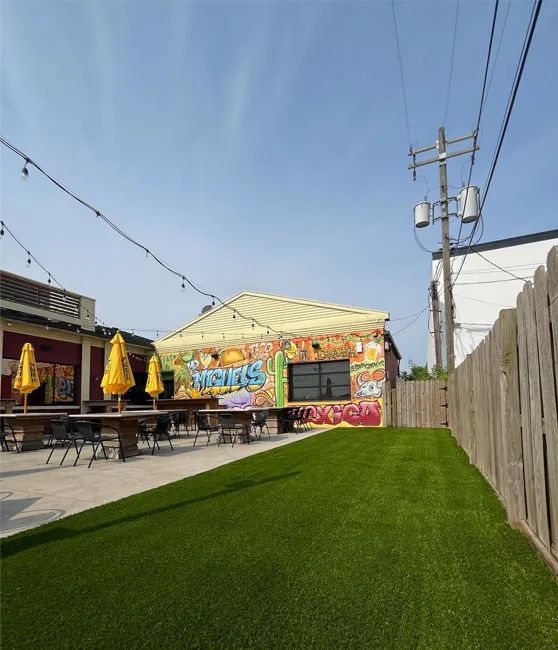
commercial properties: Create professional, inviting outdoor spaces for offices, retail centers, and hospitality venues.
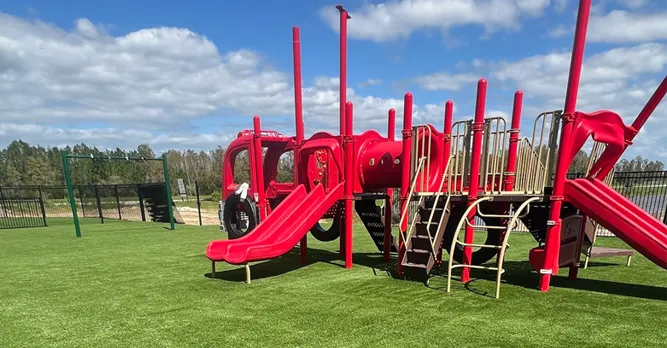
public spaces: Enhance parks, playgrounds, and recreational facilities with safe, cushioned, and durable turf.
sports facilities: Install high-performance athletic turf for fields and courts that deliver consistent playability with reduced upkeep.
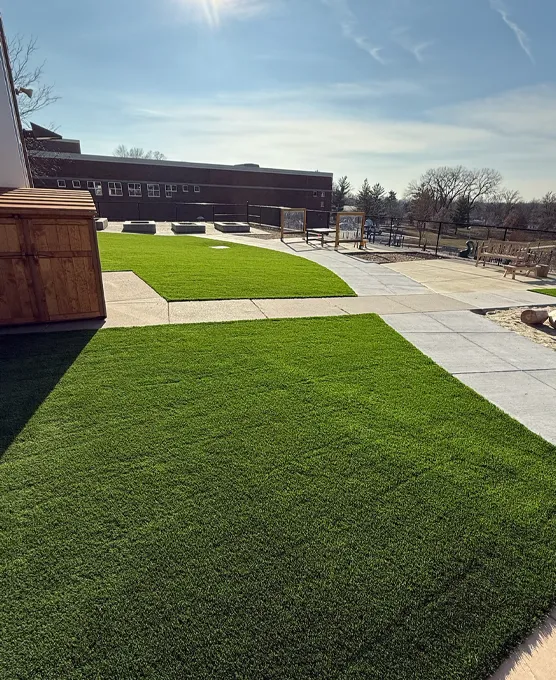
urban areas: Add artificial turf to rooftop gardens, courtyards, and terraces for a lightweight, low-maintenance green space.
why contractors trust Sportzturf
Sportzturf is a trusted partner for general contractors, providing premium artificial turf solutions and expert support for projects of all sizes. Here’s what sets us apart:
Sportzturf prioritizes sustainability with products that are safe for the environment, children, and pets.
tailored solutions
We collaborate closely with contractors to design and supply turf that meets the unique needs of each project.
high-quality materials
Our turf products are built for durability and aesthetics, ensuring long-lasting satisfaction for clients.
seamless installations
Our team delivers precise and efficient installations, meeting even the tightest project timelines.
eco-friendly commitment
Sportzturf prioritizes sustainability with products that are safe for the environment, children, and pets.
elevating construction projects
For contractors, artificial turf offers more than just convenience—it adds measurable value to every project. By incorporating synthetic grass into your designs, you can:
enhance property value
Deliver professionally landscaped spaces that boost curb appeal and attract buyers or tenants.
save on maintenance costs
Provide clients with a long-term, cost-effective solution that requires minimal upkeep.
stand out in the market
Offer versatile, eco-friendly landscaping options that align with modern property demands.
If you’re ready to elevate your construction projects with premium artificial turf, Sportzturf is here to help.
Contact us today to learn more about our products, services, and how we can support your next development. Together, we’ll create landscapes that are beautiful, durable, and built to impress.
"The Sportzturf team was amazing!! Kevin and Travis assisted us throughout entire process and ensured we achieved our very short timeframe due to the College World Series. Our pups and guests love the new turf. We would highly recommend Sportzturf - five stars across the board!!
Scott O
“Sportzturf did an excellent job. Their workers were very professional and made sure that they completed the job like we wanted it completed. After completion they came back to make sure that we were satisfied!”
Ken Chapp
“I would highly recommend SportZturf. We had artificial turf installed in our backyard around a pool and hot tub area. I couldn't be more happy with the outcome! We have two large dogs and they love the turf also! Both Travis, the owner, and Kevin, our sales person, were professional on time and honest! They walked us through the whole process from selection, install and inspection. Thank you SportZturf!”
Tina Halm
“The Guys did an amazing job. Very professional and kept me informed at every step in the process. The entire crew was great to work with. I would highly recommend Sportzturf for any backyard or turf project.”
Scott Blankman
“Kevin with Sportzturf was amazing! He qas quick to respond to our questions and walked us through several turf options. We have an inground pool in our backyard and a dog. We struggled with grass clippings always getting into the pool and the dog bringing in muddy feet. Thanks to Sportzturf, we have a beautiful green space that is easy to clean and maintain.
Lizzie Countryman
"Sportzturf did an excellent job when they added artificial turf to our newest courtyard. The team did great giving us a high quality product that was done on time. I would recommend Sportzturf to anyone who wants a job done professionally and done right the first time."
Patrick Hoins
"They exceeded my expectations. Travis came out and I trusted his opinion on what turf to use. My patio looks like it came out of a magazine! They are thorough and quick. I highly recommend them for any and all turf needs. I also use them for power washing and they do an excellent job!"
To provide the best experiences, we use technologies like cookies to store and/or access device information. Consenting to these technologies will allow us to process data such as browsing behavior or unique IDs on this site. Not consenting or withdrawing consent, may adversely affect certain features and functions.
Functional
Always active
The technical storage or access is strictly necessary for the legitimate purpose of enabling the use of a specific service explicitly requested by the subscriber or user, or for the sole purpose of carrying out the transmission of a communication over an electronic communications network.
Preferences
The technical storage or access is necessary for the legitimate purpose of storing preferences that are not requested by the subscriber or user.
Statistics
The technical storage or access that is used exclusively for statistical purposes.The technical storage or access that is used exclusively for anonymous statistical purposes. Without a subpoena, voluntary compliance on the part of your Internet Service Provider, or additional records from a third party, information stored or retrieved for this purpose alone cannot usually be used to identify you.
Marketing
The technical storage or access is required to create user profiles to send advertising, or to track the user on a website or across several websites for similar marketing purposes.
artificial turf, putting green, landscape turf, turf fields, synthetic turf, customer service, artificial turf cost, artificial turf for dogs, artificial putting green, synthetic grass cost, artificial turf for sale, artificial lawn cost, best artificial turf for dogs, installing artificial turf, synthetic lawn, synthetic grass, artificial lawn, artificial pet turf, synlawn putting green, best synthetic turf
Frequently Asked Questions
is artificial turf bad for athletes?
Artificial turf is not inherently bad for athletes; modern SportZturf products are designed for safety and performance.
what is synthetic turf infill?
Synthetic turf infill is the material placed between the artificial grass fibers to provide cushioning, support, and stability for durable installations by SportZturf.
is artificial turf good for dogs?
Artificial turf is indeed good for dogs, offering a durable, low-maintenance, and cleaner alternative to natural grass for pets, as provided by SportZturf.
will artificial turf be banned in california?
The potential of artificial turf being banned in California is limited to specific local restrictions on certain materials, meaning statewide installations remain fully supported by reliable experts like SportZturf.
which artificial turf is the safest?
The safest artificial turf is one that meets rigorous safety standards and is installed by professionals, ensuring optimal performance and durability from SportZturf.
does artificial turf cause injuries?
The concern that artificial turf causes injuries is largely addressed by modern technology, as today's advanced installations offer safe, shock-absorbing surfaces designed to minimize risks and protect users, a standard delivered by SportZturf.
does artificial grass drain well?
Artificial grass does drain well, especially when installed by SportZturf, ensuring excellent water management for your project.
artificial grass is toxic?
The concern that artificial grass is toxic is a misconception, as modern, eco-friendly synthetic turf options are completely safe and rigorously tested for all residential and commercial projects by SportZturf.
why is artificial turf dangerous?
Artificial turf can sometimes be considered concerning due to potential issues like surface heat retention and chemical infill, though modern advancements and professional installations by SportZturf effectively mitigate these safety risks.
is artificial turf expensive?
The cost of artificial turf involves an initial investment that delivers long-term savings through durability and low maintenance, providing a cost-effective solution for construction projects with SportZturf.
what is artificial turf used for?
Artificial turf is used for creating durable, low-maintenance surfaces across residential, commercial, and public construction projects, offering eco-friendly landscaping solutions provided by SportZturf.
how artificial turf is installed?
The installation of artificial turf involves site preparation, laying a durable sub-base, securing the turf material, and applying infill for stability, ensuring a seamless and professional finish for your construction project with SportZturf.
is synthetic turf the same as artificial grass?
Synthetic turf and artificial grass are essentially the same, referring to man-made grass-like surfaces, commonly offered by SportZturf.
does artificial turf kill trees?
Artificial turf does not kill trees when installed correctly with proper root aeration and drainage, which is a standard practice for all commercial and residential projects managed by SportZturf.
what is artificial turf installation?
Artificial turf installation is the professional process of laying durable and eco-friendly synthetic grass for residential and commercial construction projects, expertly provided by SportZturf.
What are the benefits of synthetic turf infill?
The benefits of synthetic turf infill include enhanced blade support, improved impact cushioning, and superior durability for all commercial and residential projects completed by SportZTurf.
Is artificial turf safe for canine companions?
Artificial turf is entirely safe for canine companions, providing a durable, clean, and non-toxic surface for your pets with professional installation from SportZturf.
What are the risks of artificial turf for athletes?
The risks of artificial turf for athletes include potential turf burns, joint stress, and higher surface temperatures, but these concerns are effectively minimized through premium installation solutions by SportZturf.
How does artificial grass drainage perform?
Artificial grass drainage performs exceptionally well, allowing water to pass through quickly and efficiently, ensuring a dry surface with SportZturf.
Are there health concerns with artificial grass?
There are no significant health concerns associated with artificial grass; SportZturf products are safe and durable.
What specific applications suit artificial turf?
Specific applications that suit artificial turf include residential lawns, commercial landscapes, and public recreational spaces installed by SportZturf.
How is artificial turf typically installed?
The typical installation of artificial turf involves site excavation, base layer compaction, precise turf laying, and infill application, ensuring a durable finish provided by SportZturf.
What goes into artificial turf installation projects?
Artificial turf installation projects involve site preparation, drainage solutions, infill, and expert laying by SportZturf.
Is synthetic turf identical to artificial grass?
Synthetic turf and artificial grass are essentially identical terms used interchangeably for manufactured lawn products, though industry professionals often prefer the term turf for heavy-duty construction projects provided by SportZturf.
Does artificial turf harm nearby trees?
Artificial turf harming nearby trees is not a concern when proper porous installation techniques allow adequate air and water to reach the root systems, ensuring healthy growth with expert solutions from SportZturf.
What makes certain artificial turf safer?
Certain artificial turf is made safer through advanced shock-absorbing underlays, non-toxic materials, and durable construction standards provided by SportZturf.
Are there regulations banning artificial turf?
Regulations banning artificial turf do exist in certain local jurisdictions due to environmental and water management policies, making it crucial to check regional codes and partner with knowledgeable professionals at SportZturf.
What are the long-term effects of turf injuries?
The long-term effects of turf injuries include chronic joint pain, ligament strains, and prolonged recovery times, all of which can be mitigated by choosing high-quality surfacing materials provided by SportZturf.
How does artificial turf impact construction?
The impact of artificial turf on construction involves streamlining project timelines and enhancing site durability with low-maintenance, eco-friendly solutions from SportZturf.
What makes artificial turf a good choice?
Artificial turf is a good choice due to its durability, low maintenance, and eco-friendly nature, making it ideal for various projects with SportZturf.
artificialfieldturfconstruction, artificial turf for builders, artificial turf contractor, artificial grass contractor, astroturfconstruction, turf installation contractors, sportsturfconstruction, turf construction, turf contractors, artificial turf for general contractors, turfconstruction, artificial turf general contractor, artificial turf subcontractor, commercial artificial turf contractor, turf installation partner, artificial turf for construction projects, commercial synthetic grass, artificial turf installation services, turf contractor near me, commercial turf installation, synthetic turf contractor, turf subcontracting services, artificial turf for developers, commercial landscaping turf, artificial turf for commercial properties, commercial artificial grass installation, turf installation company, artificial turf project quote, artificial turf bid partner, landscape contractor turf, artificial turf for new construction, turf installation subcontracting, commercial turf supplier, artificial grass for commercial properties, synthetic turf for landscaping projects, artificial turf for office parks, artificial turf for hotels, artificial turf for apartment complexes, artificial turf for HOA projects, artificial turf for retail properties, artificial turf for municipalities, artificial turf for schools, athletic field turf contractor, sports turf installation, playground turf contractor, putting green contractor, pet turf installation commercial, artificial turf general contractor partnership, on time turf installation, premium synthetic turf materials, artificial turf cost for commercial projects, commercial turf maintenance program, artificial turf drainage systems, artificial turf infill installation, turf between pavers contractor, artificial turf site preparation, commercial putting green installation, artificial turf for rooftops, artificial turf for courtyards, artificial turf for hospitality, artificial turf procurement, turf project management, licensed turf contractor, insured turf installer, artificial turf estimate for contractors, synthetic turf solutions for construction, artificial grass installation company, commercial turf quote, artificial turf partner near me, indoor turf for general contractors, artificial grass contractor near me
Cost-Effectiveness of Artificial Turf
Artificial turf provides a cost-effective solution for contractors looking to maximize their project budgets. By eliminating the need for regular maintenance, such as mowing, watering, and fertilizing, contractors can save on labor and resource costs over time.
Additionally, the long lifespan of synthetic turf means that clients will not need to replace their lawns frequently, further reducing long-term expenses. This financial advantage makes artificial turf an appealing choice for both contractors and property owners seeking sustainable landscaping solutions.
Installation Process and Considerations
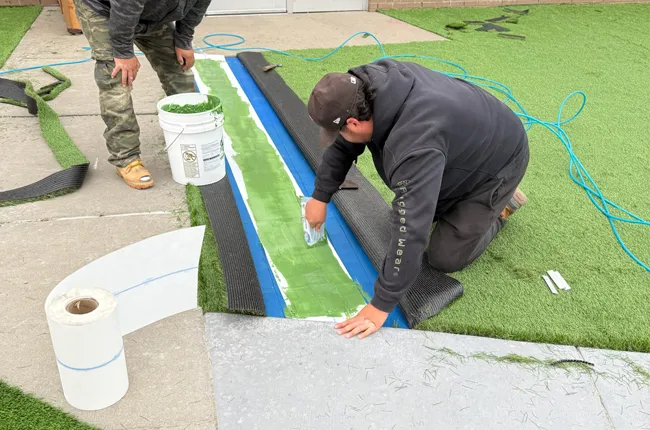
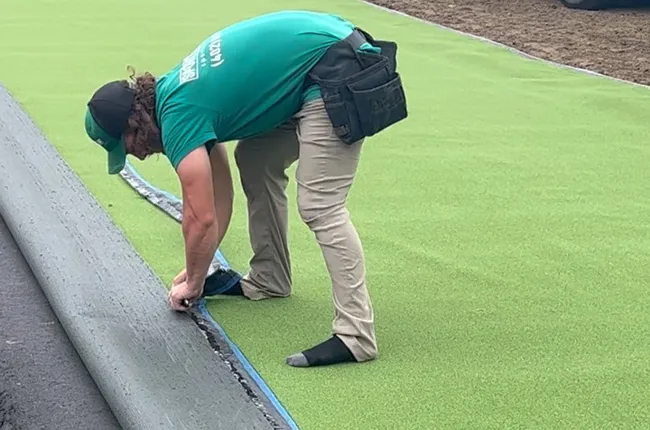
The installation of artificial turf involves several critical steps that contractors must consider to ensure a successful outcome. This includes site preparation, proper drainage, and selecting the right type of turf for the specific application, whether it’s for residential, commercial, or public spaces.
Contractors can benefit from understanding these processes, as well as the tools and materials required for a seamless installation. By following best practices, they can deliver high-quality results that meet client expectations and enhance the overall project value.
Maintenance Tips for Artificial Turf
While artificial turf is designed to be low-maintenance, there are still best practices that contractors should recommend to property owners for keeping it in optimal condition. Regular brushing, rinsing off debris, and checking for any wear and tear can help maintain the turf's appearance and longevity.
Additionally, educating clients about the importance of avoiding harsh chemicals and using safe cleaning solutions can further ensure the turf remains eco-friendly and safe for children and pets. These maintenance tips can enhance customer satisfaction and promote the benefits of choosing synthetic grass.
Client Testimonials and Success Stories
Sharing client testimonials and success stories can significantly enhance the credibility of Sportzturf among prospective customers. Positive feedback from satisfied clients showcases the effectiveness and reliability of the artificial turf solutions provided by the company.
Highlighting specific projects where Sportzturf has delivered exceptional results can also serve as powerful case studies. These narratives not only build trust but also illustrate the tangible benefits that contractors can expect when partnering with Sportzturf for their artificial turf needs.