Frequently Asked Questions
What are the benefits of using artificial turf?
The benefits of using artificial turf include low maintenance, durability, and eco-friendliness. It provides a consistently green and safe surface for various applications, such as residential lawns, playgrounds, and athletic fields, especially suited for Nebraska's climate.
How does synthetic grass compare to natural grass?
Synthetic grass offers several advantages over natural grass, including lower maintenance, increased durability, and year-round usability, making it a practical choice for both residential and commercial applications in Nebraska.
What applications are suitable for artificial grass?
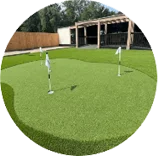
The applications suitable for artificial grass include residential lawns, playgrounds, athletic fields, and pet areas. Its versatility makes it an ideal choice for both commercial and residential environments in Nebraska.
What maintenance is required for artificial turf?
The maintenance required for artificial turf includes occasional brushing to prevent matting, rinsing to remove debris, and inspecting seams and edges for wear. Regular upkeep ensures longevity and optimal performance of your turf.
How long does synthetic grass last?
The lifespan of synthetic grass is typically 15 to 25 years, depending on factors like usage, maintenance, and the quality of the materials used. With proper care, it can provide a durable and long-lasting solution for your landscaping needs.
Is artificial grass safe for pets?
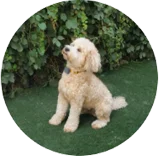
Artificial grass is safe for pets. It is made from non-toxic materials and is designed to be durable and easy to clean, making it an excellent choice for pet owners looking for a low-maintenance outdoor solution.
Can artificial turf withstand extreme weather?
Artificial turf is designed to withstand extreme weather conditions. Its durable materials resist fading and damage from intense heat, heavy rain, and freezing temperatures, making it an ideal choice for Nebraska's climate.
What is the installation process for synthetic grass?
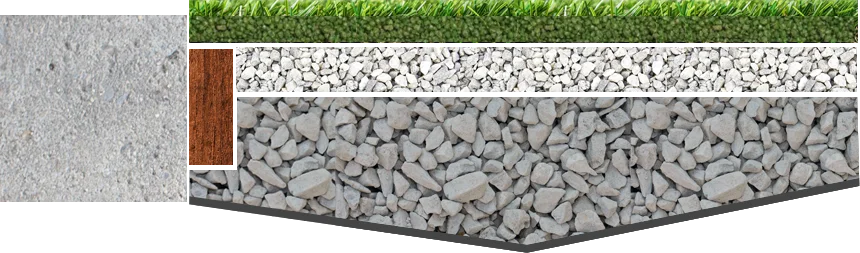
The installation process for synthetic grass involves several key steps: preparing the ground, laying a base material, installing the turf, securing it, and adding finishing touches like infill. This ensures a durable and attractive surface for various applications.
How does artificial turf affect drainage?
Artificial turf affects drainage by allowing water to flow through its permeable backing and into the underlying base material, preventing pooling and promoting efficient drainage. This ensures that artificial grass remains functional and aesthetically pleasing even after heavy rainfall.
What are the cost benefits of synthetic grass?
The cost benefits of synthetic grass include significant savings on water, maintenance, and landscaping over time. With reduced need for mowing, fertilizing, and pest control, synthetic turf proves to be a financially smart investment for both residential and commercial properties.
How does synthetic grass impact the environment?
The impact of synthetic grass on the environment includes reduced water usage, elimination of harmful pesticides and fertilizers, and decreased carbon emissions from lawn maintenance. Additionally, it contributes to eco-friendly landscaping solutions while providing durable, low-maintenance surfaces.
What types of artificial turf are available?
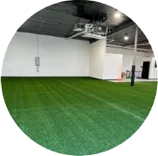
The types of artificial turf available include options for residential lawns, commercial landscapes, playgrounds, athletic fields, and pet-friendly surfaces, each designed to meet specific needs and withstand Nebraska's climate.
Can artificial grass be installed over concrete?
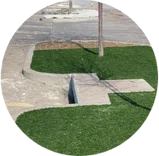
Artificial grass can indeed be installed over concrete. This method is often used to create a softer, more visually appealing surface for patios, playgrounds, or other outdoor areas.
How do you clean artificial turf?
Cleaning artificial turf involves regular maintenance such as brushing to remove debris, rinsing with water to wash away dirt, and using a mild detergent for tougher stains. Ensure proper drainage to prevent odors and maintain appearance.
What is the lifespan of synthetic grass?
The lifespan of synthetic grass typically ranges from 15 to 25 years, depending on factors such as quality, usage, and maintenance. Proper care can help maximize its durability and longevity in various applications.
How does artificial turf reduce water usage?
Artificial turf significantly reduces water usage by eliminating the need for regular irrigation. Unlike natural grass, synthetic grass requires no watering to maintain its appearance, making it an eco-friendly choice that conserves water resources.
What are the aesthetic benefits of synthetic grass?
The aesthetic benefits of synthetic grass include its vibrant, lush appearance, which enhances the visual appeal of any space. It maintains a consistently green look year-round, requiring no mowing or watering, making it an attractive and low-maintenance option for residential and commercial landscapes.
Is artificial grass suitable for playgrounds?
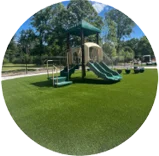
Artificial grass is suitable for playgrounds due to its safety, durability, and low maintenance. It provides a soft surface that reduces the risk of injuries while being resistant to wear and tear from heavy foot traffic and weather conditions.
How does synthetic grass handle heavy foot traffic?
Synthetic grass is designed to withstand heavy foot traffic due to its durable materials and construction. It maintains its appearance and functionality even in high-use areas, making it an excellent choice for both residential and commercial applications.
What are the differences between turf types?
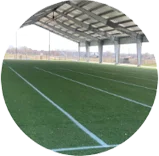
The differences between turf types include variations in material, pile height, and intended use. For instance, some turf is designed for athletic fields, while others are better suited for residential lawns or pet areas, each offering unique durability and maintenance characteristics.
Can artificial grass be recycled?
Artificial grass can be recycled. Many manufacturers offer recycling programs that repurpose old turf into new products, reducing waste and promoting sustainability.
How does synthetic grass compare in temperature?
Synthetic grass typically absorbs more heat than natural grass, leading to higher surface temperatures, especially in direct sunlight. However, advancements in technology have led to options that minimize heat retention, making synthetic turf more comfortable for use.
What are the best brands of artificial turf?
The best brands of artificial turf include names like FieldTurf, SynLawn, and Turf Nation, known for their quality, durability, and realistic appearance, making them ideal choices for both residential and commercial applications.
How to choose the right artificial grass?
Choosing the right artificial grass involves considering factors such as pile height, density, and intended use. Evaluate options based on durability, maintenance requirements, and climate compatibility to ensure the best fit for your specific needs.
What are common misconceptions about synthetic grass?
Common misconceptions about synthetic grass include the belief that it requires high maintenance, is harmful to the environment, and lacks durability. In reality, artificial turf is low-maintenance, eco-friendly, and designed to withstand wear and tear, making it an excellent choice for various applications.
How does artificial turf affect property value?
The impact of artificial turf on property value is significant. High-quality synthetic grass enhances curb appeal, reduces maintenance costs, and provides a durable, attractive landscape, which can ultimately lead to increased property value.
What are the installation costs for synthetic grass?
The installation costs for synthetic grass vary based on factors such as the size of the area, the type of turf selected, and site preparation requirements. On average, homeowners can expect to pay between $5 to $15 per square foot.
How does artificial grass perform in cold climates?
Artificial grass performs well in cold climates, maintaining its durability and appearance even in freezing temperatures. It is designed to resist frost and snow accumulation, providing a safe and functional surface year-round.
What warranties are available for synthetic turf?
Warranties for synthetic turf typically include a manufacturer's warranty covering defects in materials and workmanship, often ranging from 8 to 15 years, depending on the product. Additionally, some warranties may cover fading, degradation, and other performance issues.
How can I find a local installer for turf?
Finding a local installer for turf is straightforward. You can start by searching online for turf installation services in your area, checking local directories, or visiting Sportzturf's website for recommendations and to request a consultation.