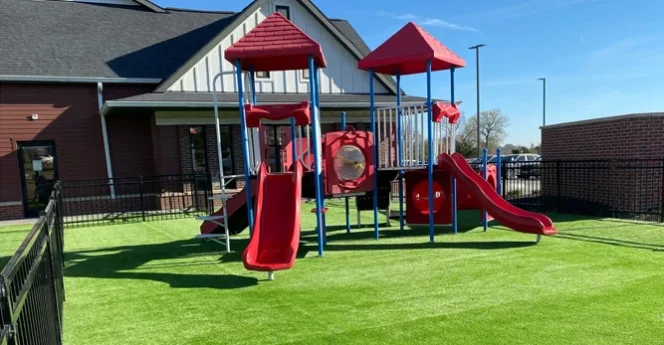
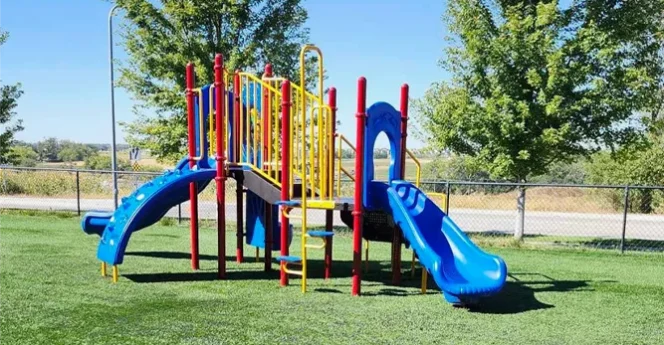
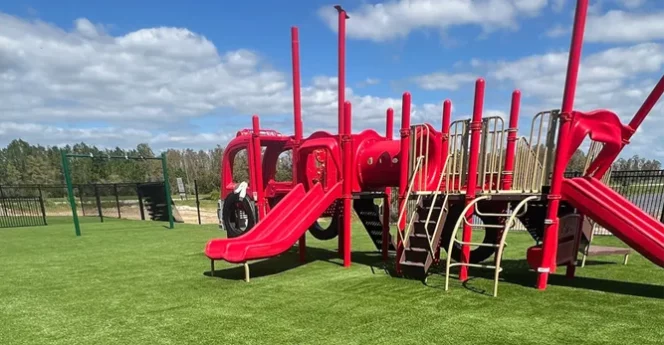
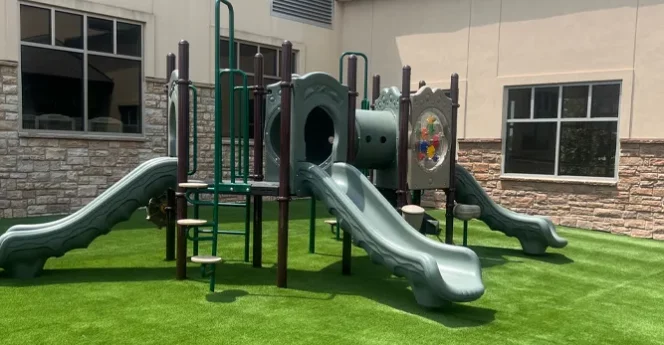
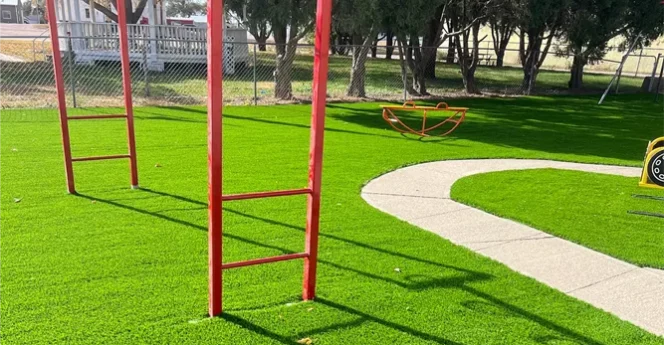
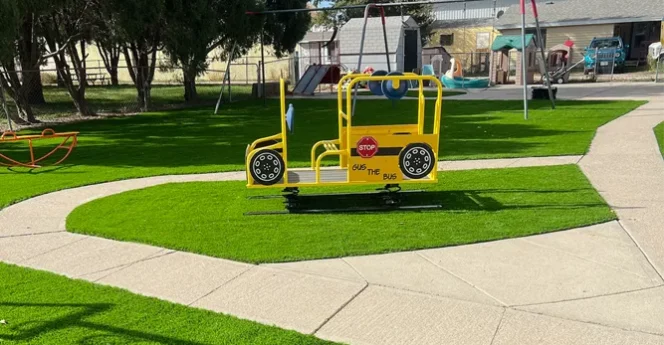
safe and fun playground turf
installation by Sportzturf
creating a safe, engaging, and low-maintenance play area is easier than ever
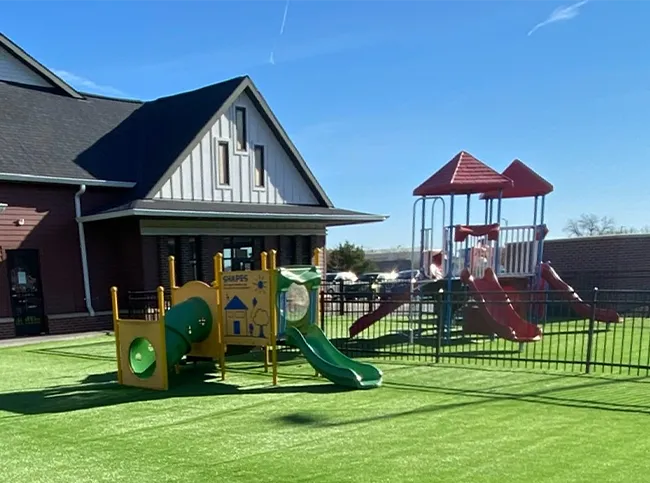
with Sportzturf’s professional playground turf installation services. Our synthetic turf solutions are designed to provide children with a soft, durable surface that enhances both safety and aesthetics, making it perfect for schools, parks, and residential play spaces.
Synthetic playground turf offers many advantages over natural grass. Safety is a top priority, and our turf includes a shock-absorbing underlayer that cushions falls, significantly reducing the risk of injuries. The durable materials are engineered to withstand heavy foot traffic and various weather conditions, ensuring the surface remains intact and reliable for years to come.
Unlike natural grass, playground turf requires little to no maintenance. You won’t have to worry about mowing, watering, or fertilizing, which saves both time and resources. Additionally, the even surface of synthetic turf is wheelchair accessible, promoting inclusivity and making it a fantastic option for play areas of all kinds.
Our Playground Turf Installation Process
At Sportzturf, we follow a meticulous installation process to ensure that your playground turf is not only safe but also long-lasting:
The installation is thoroughly inspected to ensure it meets all safety and quality standards.
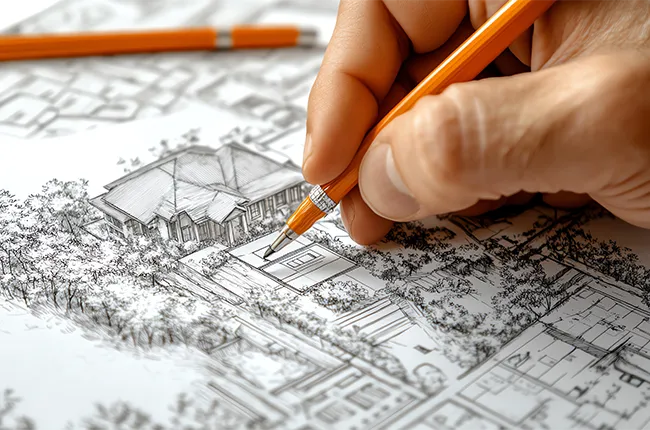
consultation and design
We begin by assessing your space and discussing your specific needs to create a tailored design.
site preparation
The area is cleared of debris, and the ground is graded to ensure proper drainage.
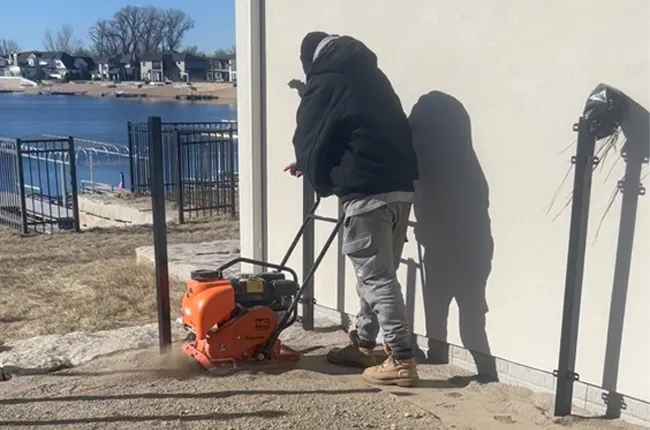
base installation
A stable, porous base layer is installed to support the turf and facilitate drainage.
turf installation
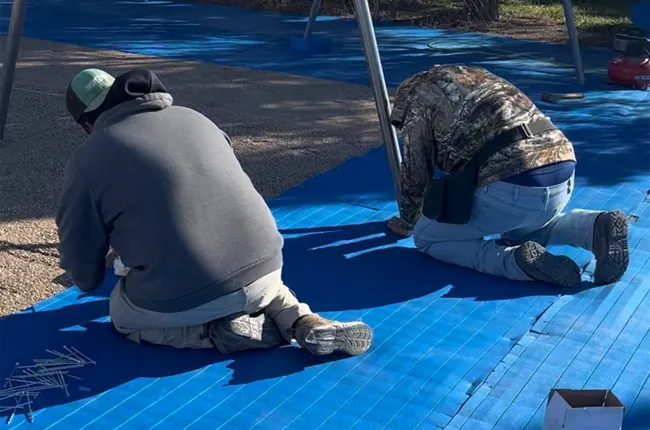
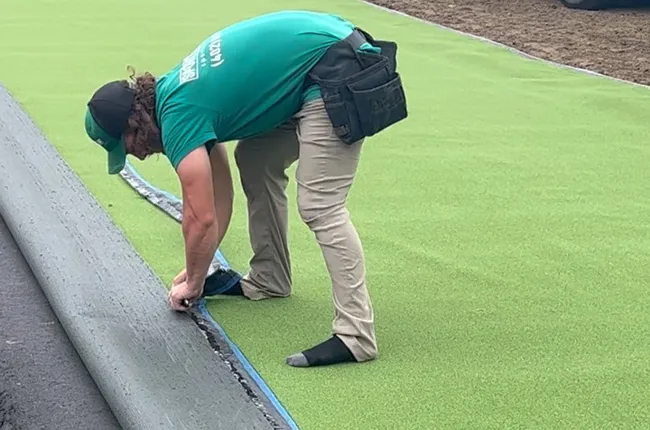
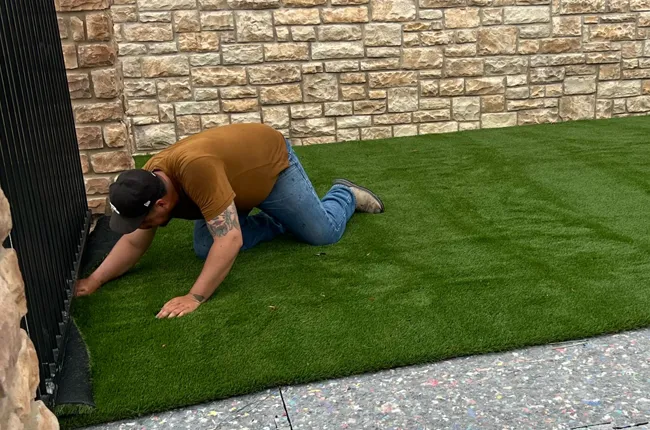
High-quality synthetic turf is laid out, secured, and seams are carefully joined for a seamless appearance
infill application
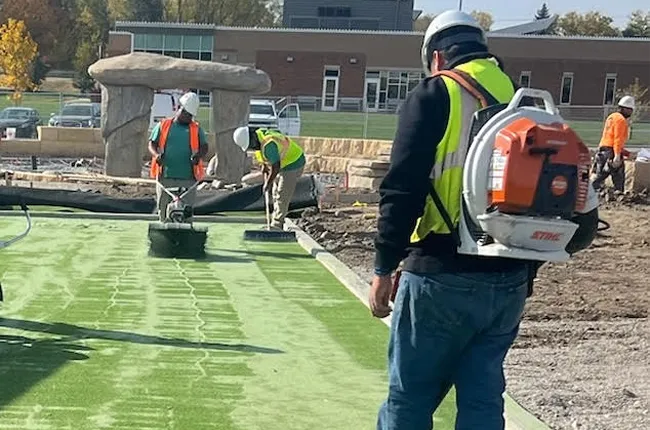
A specialized infill is added to enhance cushioning and maintain the turf’s upright position.
final inspection
The installation is thoroughly inspected to ensure it meets all safety and quality standards.
why choose Sportzturf for your playground turf?
Sportzturf is a trusted leader in synthetic turf solutions,
and our commitment to quality sets us apart.
With years of experience, our skilled installers ensure precision and attention to detail in every project. We use only premium materials that are both durable and sustainable, guaranteeing a long-lasting product that stands up to everyday wear and tear.
We pride ourselves on personalized service, working closely with you to design a playground turf installation that perfectly fits your space and meets your needs. Whether you’re a school, a public park, or a homeowner, Sportzturf is dedicated to creating safe and fun environments for children to play and grow.
Ready to transform your play area into a safe and enjoyable space?
Sportzturf has the expertise and high-quality materials to bring your vision to life. Contact us today to schedule a consultation and take the first step toward a better play experience.
"The Sportzturf team was amazing!! Kevin and Travis assisted us throughout entire process and ensured we achieved our very short timeframe due to the College World Series. Our pups and guests love the new turf. We would highly recommend Sportzturf - five stars across the board!!
Scott O
“Sportzturf did an excellent job. Their workers were very professional and made sure that they completed the job like we wanted it completed. After completion they came back to make sure that we were satisfied!”
Ken Chapp
“I would highly recommend SportZturf. We had artificial turf installed in our backyard around a pool and hot tub area. I couldn't be more happy with the outcome! We have two large dogs and they love the turf also! Both Travis, the owner, and Kevin, our sales person, were professional on time and honest! They walked us through the whole process from selection, install and inspection. Thank you SportZturf!”
Tina Halm
“The Guys did an amazing job. Very professional and kept me informed at every step in the process. The entire crew was great to work with. I would highly recommend Sportzturf for any backyard or turf project.”
Scott Blankman
“Kevin with Sportzturf was amazing! He qas quick to respond to our questions and walked us through several turf options. We have an inground pool in our backyard and a dog. We struggled with grass clippings always getting into the pool and the dog bringing in muddy feet. Thanks to Sportzturf, we have a beautiful green space that is easy to clean and maintain.
Lizzie Countryman
"Sportzturf did an excellent job when they added artificial turf to our newest courtyard. The team did great giving us a high quality product that was done on time. I would recommend Sportzturf to anyone who wants a job done professionally and done right the first time."
Patrick Hoins
"They exceeded my expectations. Travis came out and I trusted his opinion on what turf to use. My patio looks like it came out of a magazine! They are thorough and quick. I highly recommend them for any and all turf needs. I also use them for power washing and they do an excellent job!"
To provide the best experiences, we use technologies like cookies to store and/or access device information. Consenting to these technologies will allow us to process data such as browsing behavior or unique IDs on this site. Not consenting or withdrawing consent, may adversely affect certain features and functions.
Functional
Always active
The technical storage or access is strictly necessary for the legitimate purpose of enabling the use of a specific service explicitly requested by the subscriber or user, or for the sole purpose of carrying out the transmission of a communication over an electronic communications network.
Preferences
The technical storage or access is necessary for the legitimate purpose of storing preferences that are not requested by the subscriber or user.
Statistics
The technical storage or access that is used exclusively for statistical purposes.The technical storage or access that is used exclusively for anonymous statistical purposes. Without a subpoena, voluntary compliance on the part of your Internet Service Provider, or additional records from a third party, information stored or retrieved for this purpose alone cannot usually be used to identify you.
Marketing
The technical storage or access is required to create user profiles to send advertising, or to track the user on a website or across several websites for similar marketing purposes.
What are the advantages of synthetic turf for playgrounds?
The advantages of synthetic turf for playgrounds include enhanced safety with cushioned surfaces, low maintenance requirements, year-round usability, and a clean, vibrant appearance that encourages play while reducing the risk of injuries.
How does the installation process for playground turf work?
The installation process for playground turf involves several key steps: preparing the site, laying a proper base, installing the turf rolls, and securing the edges. Our team ensures a seamless, safe, and high-quality finish tailored to your playground needs.
What safety features should I consider for playground surfaces?
The safety features to consider for playground surfaces include impact-absorbing materials, non-toxic and hypoallergenic options, proper drainage systems, and slip-resistant textures to minimize injuries and ensure a safe play environment for children.
What maintenance is required for synthetic turf?
The maintenance required for synthetic turf includes regular brushing to keep the fibers upright, periodic rinsing to remove debris, and infill replenishment as needed to maintain optimal performance and appearance.
How long does synthetic turf last?
Synthetic turf typically lasts between 15 to 25 years, depending on factors such as usage, maintenance, and the quality of the installation. Proper care can extend its lifespan, ensuring a durable and safe play area for children.
Can synthetic turf be recycled after use?
Synthetic turf can be recycled after use. Many manufacturers offer recycling programs that repurpose old turf into new products, reducing waste and promoting sustainability in artificial turf applications.
What types of synthetic turf are available?
The types of synthetic turf available include nylon, polyethylene, and polypropylene, each offering unique benefits such as durability, softness, and UV resistance, making them suitable for various applications, including playgrounds and sports fields.
How does synthetic turf compare to natural grass?
Synthetic turf offers several advantages over natural grass, including lower maintenance requirements, enhanced durability, and consistent playability in various weather conditions, making it a safer and more reliable choice for playgrounds.
What is the cost of installing synthetic turf?
The cost of installing synthetic turf varies based on factors such as the size of the area, the type of turf selected, and installation specifics. On average, expect to invest between $5 to $20 per square foot.
Are there any health concerns with synthetic turf?
Health concerns associated with synthetic turf primarily involve potential exposure to chemicals and heat retention. However, reputable installations, like those from SportZTurf, use safe materials and adhere to strict safety standards to mitigate these risks.
How does drainage work with synthetic turf?
The drainage system in synthetic turf is designed to efficiently manage water runoff. It typically features a permeable backing that allows rainwater to flow through and drain away, preventing pooling and ensuring a dry, safe play area.
What is the best infill for playground turf?
The best infill for playground turf is typically a combination of rubber and sand, as it provides excellent shock absorption, safety, and durability, ensuring a safe play environment for children while maintaining the turf's integrity.
How do I choose the right turf for my playground?
Choosing the right turf for your playground involves considering factors such as safety ratings, durability, maintenance requirements, and the specific activities planned for the area. Consult with a professional to ensure the best fit for your needs.
What are the environmental impacts of synthetic turf?
The environmental impacts of synthetic turf include reduced water usage and elimination of pesticides, yet concerns exist regarding heat retention and the disposal of materials at the end of their lifespan.
How can synthetic turf enhance playground safety?
Synthetic turf enhances playground safety by providing a soft, cushioned surface that reduces the risk of injuries from falls. Its non-toxic materials and even texture create a safe play environment, ensuring children can enjoy their activities without the hazards associated with natural grass.
What warranties are offered on synthetic turf installations?
The warranties offered on synthetic turf installations typically include a limited warranty covering defects in materials and workmanship, ensuring long-lasting performance and peace of mind for your investment.
How do weather conditions affect synthetic turf?
Weather conditions can significantly impact synthetic turf. Extreme heat may cause the surface to become hot to the touch, while heavy rain can lead to drainage issues. However, high-quality turf is designed to withstand various weather elements, ensuring durability and safety.
Can synthetic turf be installed over existing surfaces?
Synthetic turf can indeed be installed over existing surfaces, such as concrete or asphalt, providing a quick and efficient solution for creating safe and attractive play areas without the need for extensive ground preparation.
What are the benefits of using synthetic turf for kids?
The benefits of using synthetic turf for kids include enhanced safety with shock-absorbing surfaces, reduced maintenance requirements, and the ability to provide a clean, allergen-free play area that encourages outdoor activity year-round.
How is synthetic turf installed for playgrounds?
The installation of synthetic turf for playgrounds involves several key steps. First, the area is prepared by removing existing grass and debris, followed by leveling the ground. Next, a base layer of gravel is added for drainage, and finally, the turf is rolled out, secured, and infilled to ensure safety and durability.
What certifications should playground turf have?
The certifications that playground turf should have include ASTM (American Society for Testing and Materials) standards for safety, IPEMA (International Play Equipment Manufacturers Association) certification for impact absorption, and lead-free certification to ensure child safety.
How do I clean synthetic turf surfaces?
Cleaning synthetic turf surfaces involves regularly removing debris with a broom or leaf blower, rinsing with water to eliminate dust or spills, and using a mild detergent for tougher stains. This ensures a safe and well-maintained playground area.
What are common misconceptions about synthetic turf?
Common misconceptions about synthetic turf include beliefs that it is unsafe for children, requires no maintenance, and contributes to environmental issues. In reality, high-quality turf is designed for safety, needs occasional care, and can be eco-friendly when properly installed.
How does synthetic turf affect playground aesthetics?
The impact of synthetic turf on playground aesthetics is significant. It enhances visual appeal with vibrant colors and a lush, green appearance year-round, creating an inviting and engaging environment for children and families.
What are the best practices for turf installation?
The best practices for turf installation include proper site preparation, ensuring adequate drainage, using quality materials, and following manufacturer guidelines for installation. Additionally, regular maintenance after installation will help prolong the lifespan and appearance of the turf.
How can I ensure proper drainage for playground turf?
Ensuring proper drainage for playground turf involves selecting a well-drained base material, installing a slight slope, and incorporating drainage systems like perforated pipes. This setup prevents water accumulation, keeping the surface safe and usable.
What are the advantages of turf over traditional surfaces?
The advantages of turf over traditional surfaces include lower maintenance needs, enhanced safety for children, consistent playability in various weather conditions, and a longer lifespan, making it a cost-effective and reliable choice for playgrounds.
How does synthetic turf impact playground usage?
Synthetic turf significantly enhances playground usage by providing a safe, durable, and low-maintenance surface that encourages active play. It reduces the risk of injuries, allows for year-round use, and minimizes upkeep, making play areas more accessible and enjoyable for children.
What should I look for in a turf contractor?
When choosing a turf contractor, look for experience, positive customer reviews, quality materials, and a commitment to safety and installation standards. Ensure they provide clear communication and a detailed quote for your project.
How can I assess the quality of synthetic turf?
Assessing the quality of synthetic turf involves checking for durability, UV resistance, and infill material. Look for certifications, warranty details, and customer reviews to ensure you choose a reliable product that meets safety standards.
sport turf, sports turf, sport turf installation, play area turf, playground artificial turf installation, playground synthetic turf installation, artificial turf for playgrounds, turf for parks, soft turf for playgrounds, spinturf artificial turf installation company playground, evaluate the artificial turf installation company spinturf on playground, playground turf installer, astroturf, sportzturf playground turf pricing, playground turf for backyard, playground turf, playground artificial grass, synthetic turf playground, playground turf installation, playground turf cost, artificial grass for play areas, safe playground surface, playground safety turf, padded playground turf, shock absorbing playground turf, playground turf with foam padding, soft fall turf, fall height rated turf, ASTM playground turf, ADA accessible playground surface, wheelchair accessible turf, playground turf for schools, school playground turf, daycare playground turf, park playground turf, backyard playground turf, residential playground turf, commercial playground turf, playground turf for daycare centers, playground turf for churches, community playground turf, playground turf for parks and recreation, artificial grass instead of mulch, turf vs mulch playground, playground turf vs rubber, clean playground surface, mud free playground, allergen free playground turf, non toxic playground turf, kid safe artificial grass, playground turf maintenance, playground turf cleaning, playground turf lifespan, durable playground turf, playground turf for swings, playground turf under slides, playground turf installation near me, playground turf contractor, playground turf company, playground grass alternative, synthetic grass for kids, playground safety surface ideas, low maintenance playground, playground turf drainage, playground turf infill, antimicrobial playground turf, playground turf warranty, colorful playground turf, playground turf design, playground turf solutions, playground turf near me, artificial playground grass installation, safe play area turf, playground turf quote
Advantages of Synthetic Turf Over Natural Grass
Synthetic turf offers numerous advantages compared to natural grass, making it an ideal choice for playgrounds. One of the most significant benefits is its low maintenance requirements; unlike natural grass, synthetic turf does not need mowing, watering, or fertilizing, allowing for significant time and cost savings. Additionally, synthetic turf remains lush and green year-round, regardless of weather conditions, ensuring a visually appealing play area at all times.
Moreover, synthetic turf provides a safer play environment. It is designed with a shock-absorbing underlayer that minimizes the impact of falls, which is crucial for children's safety. This feature, combined with its durability, means that synthetic turf can withstand heavy foot traffic and various weather conditions without deteriorating, making it a long-lasting investment for schools and parks.
Environmental Benefits of Playground Turf
Choosing synthetic turf for playgrounds can also have positive environmental impacts. Unlike natural grass, which requires regular watering and chemical fertilizers, synthetic turf conserves water and reduces the need for harmful chemicals, making it a more eco-friendly option. This is particularly important in areas prone to drought or where water conservation is a priority.
Furthermore, many synthetic turf products are made from recycled materials, contributing to sustainability efforts. By opting for playground turf, you not only create a safe play environment for children but also support environmental conservation initiatives, promoting a greener future.
Testimonials from Satisfied Customers
At SportZTurf, we take pride in the positive feedback we receive from our clients. Many customers have expressed their satisfaction with the quality of our playground turf installations, highlighting the professionalism of our team and the durability of our products. These testimonials reflect our commitment to delivering exceptional service and high-quality solutions tailored to meet the unique needs of each client.
For instance, one client shared their experience of how our team guided them through every step of the installation process, from the initial consultation to the final inspection. Such feedback not only reinforces our dedication to customer satisfaction but also serves as a testament to the reliability and effectiveness of our playground turf solutions.
Contact Us for Your Playground Turf Needs
If you're ready to transform your play area with high-quality synthetic turf, SportZTurf is here to help. Our team is available for consultations to discuss your specific requirements and provide personalized recommendations. We understand that every space is unique, and we are committed to creating a tailored solution that meets your needs.
Don't hesitate to reach out for an instant quote or to schedule a consultation. Our friendly staff is eager to assist you in creating a safe, fun, and engaging environment for children to play and thrive. Contact SportZTurf today to get started on your playground turf project!