Frequently Asked Questions
What are the benefits of using artificial turf for residential lawns?
The benefits of using artificial turf for residential lawns include low maintenance, water conservation, and year-round aesthetic appeal. It withstands Michigan's diverse climate, providing a durable and lush landscape without the need for mowing or fertilizing.
How does artificial grass perform in different weather conditions?
Artificial grass performs exceptionally well in various weather conditions, including Michigan's cold winters and hot summers. It remains durable, retains its color, and requires minimal maintenance, making it an ideal landscaping solution year-round.
What applications are suitable for synthetic turf in Michigan?
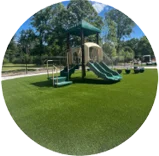
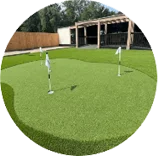
Synthetic turf is suitable for various applications in Michigan, including residential lawns, playgrounds, sports fields, and commercial landscapes, providing a durable and low-maintenance solution that thrives in the state's diverse climate.
What maintenance is required for artificial turf?
The maintenance required for artificial turf includes regular brushing to keep the fibers upright, occasional rinsing to remove debris, and infrequent infill replenishment to ensure optimal performance and longevity.
How long does artificial grass last?
The lifespan of artificial grass typically ranges from 15 to 25 years, depending on the quality of the product and maintenance. With proper care, it can withstand Michigan's climate while providing a durable and attractive landscaping solution.
Can synthetic turf withstand heavy foot traffic?
Synthetic turf is designed to withstand heavy foot traffic effectively. Its durable materials and construction ensure resilience, making it an ideal choice for high-traffic areas such as sports fields, playgrounds, and residential lawns.
What are the installation steps for artificial grass?
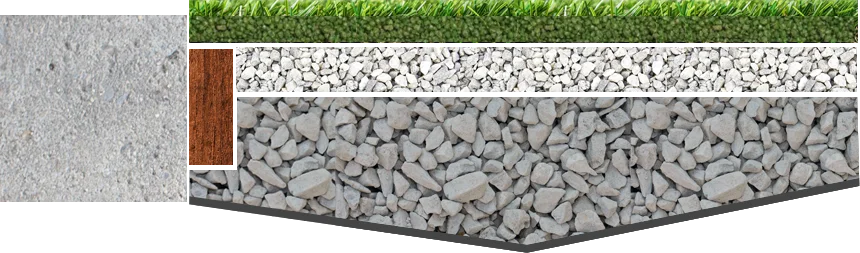
The installation steps for artificial grass include preparing the area by removing existing grass and debris, leveling the ground, laying a weed barrier, adding a base material, securing the turf, and finally, infilling for stability and aesthetics.
How does artificial turf affect drainage?
Artificial turf positively impacts drainage by allowing water to flow through its porous backing and into the underlying base. This design helps prevent pooling and ensures quick drainage, making it suitable for Michigan's varied climate conditions.
Is artificial grass safe for pets?
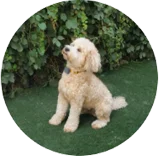
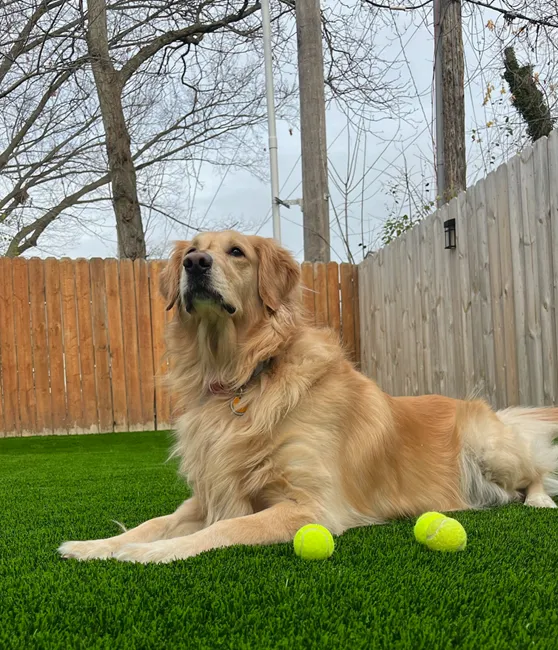
Artificial grass is safe for pets. It is non-toxic, durable, and designed to withstand pet activities, making it an excellent choice for pet owners seeking a low-maintenance and clean outdoor space.
What colors are available for synthetic turf?
The available colors for synthetic turf include vibrant greens, realistic brown thatch, and various shades to mimic natural grass. Custom colors can also be ordered to suit specific landscaping needs or design preferences.
How does artificial turf compare to natural grass?
Artificial turf offers several advantages over natural grass, including lower maintenance requirements, durability against Michigan's climate, and consistent aesthetics year-round, making it a practical choice for residential and commercial applications.
What is the cost of installing artificial grass?
The cost of installing artificial grass varies based on factors such as the size of the area, the type of turf selected, and installation complexity. On average, homeowners can expect to pay between $5 to $20 per square foot.
Can synthetic turf be recycled?
Synthetic turf can be recycled. Many manufacturers offer recycling programs that convert old turf into new products, helping to reduce waste and promote sustainability in landscaping solutions.
How does artificial grass handle extreme temperatures?
Artificial grass is designed to withstand extreme temperatures, remaining durable and functional in both high heat and freezing conditions. Its materials are engineered to resist fading and damage, ensuring long-lasting performance regardless of Michigan's diverse climate.
What are the environmental benefits of artificial turf?
The environmental benefits of artificial turf include water conservation, as it eliminates the need for irrigation, and reduced pesticide use, which promotes healthier ecosystems. Additionally, it minimizes lawn maintenance emissions, contributing to a cleaner environment.
How is artificial turf cleaned and maintained?
Artificial turf cleaning and maintenance involves regular brushing to keep the fibers upright, rinsing to remove debris, and occasional washing with mild soap. Additionally, infill material may need replenishing to maintain optimal performance.
What warranties are offered on synthetic turf products?
The warranties offered on synthetic turf products typically include a manufacturer's warranty that covers defects in materials and workmanship, often ranging from 8 to 15 years, depending on the product.
Can artificial grass be installed over concrete?
Artificial grass can indeed be installed over concrete. This method provides a smooth, durable surface ideal for various applications, enhancing aesthetics while offering low maintenance benefits.
What are the best uses for synthetic turf?
The best uses for synthetic turf include residential lawns, playgrounds, sports fields, and commercial landscaping. Its durability and low maintenance make it ideal for enhancing outdoor spaces while providing a consistently green appearance year-round.
How does artificial turf impact property value?
The impact of artificial turf on property value is significant. By enhancing curb appeal and reducing maintenance costs, synthetic grass can increase a property's attractiveness to potential buyers, ultimately leading to a higher resale value.
What are the aesthetic options for artificial grass?
The aesthetic options for artificial grass include a variety of colors, textures, and pile heights that mimic natural grass. These choices allow for customization to suit different landscapes, from vibrant lawns to serene garden settings.
How is artificial turf installed on slopes?
Installing artificial turf on slopes involves a careful process to ensure stability and proper drainage. First, the slope is graded and compacted, followed by the installation of a weed barrier. Finally, the turf is laid, secured with nails or adhesive, and infilled to enhance stability.
What are common misconceptions about synthetic turf?
Common misconceptions about synthetic turf include the belief that it requires no maintenance, is too hot for pets, and lacks aesthetic appeal. In reality, while it is low-maintenance, occasional care is needed, and modern turf options are designed for comfort and visual appeal.
How does artificial grass perform in Michigan winters?
Artificial grass performs well in Michigan winters. It is designed to withstand cold temperatures and snow, ensuring durability and maintaining its appearance throughout the season, while requiring minimal maintenance.
What types of infill are used in artificial turf?
The types of infill used in artificial turf include crumb rubber, silica sand, and organic materials. Each option enhances durability, provides cushioning, and helps maintain the turf's appearance, making them suitable for various applications.
How does synthetic turf reduce water usage?
Synthetic turf significantly reduces water usage by eliminating the need for regular irrigation. Unlike natural grass, synthetic grass maintains its lush appearance without water, making it an eco-friendly choice that conserves resources while providing a beautiful landscape.
What are the health benefits of artificial grass?
The health benefits of artificial grass include reduced allergens, as it eliminates pollen and provides a clean play area. Additionally, it minimizes the risk of injuries with its soft surface and requires no harmful pesticides, promoting a safer environment for families and pets.
Can artificial turf be used for sports fields?
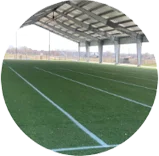
Artificial turf can be effectively used for sports fields. It offers a durable, low-maintenance surface that can withstand heavy use while providing excellent performance for various sports, making it an ideal choice for athletic facilities.
How does artificial grass handle UV exposure?
Artificial grass is designed to withstand UV exposure, featuring UV-resistant materials that prevent fading and degradation. This ensures that your synthetic lawn maintains its vibrant color and durability, even under Michigan's sunny conditions.
What are the differences between turf brands?
The differences between turf brands primarily lie in the quality of materials, durability, texture, and warranty offerings. Each brand may also specialize in specific applications, such as residential lawns, sports fields, or playgrounds, affecting overall performance and maintenance requirements.