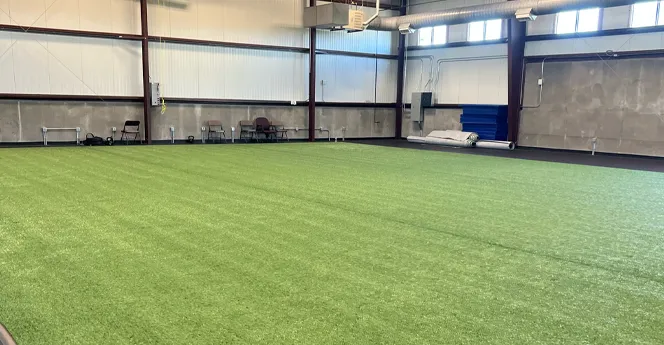
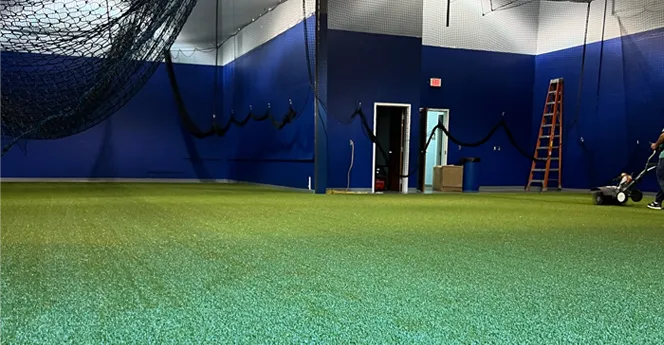
high-performance synthetic turf
athletic fields by Sportzturf
Upgrade your sports facility with Sportzturf’s state-of-the-art synthetic turf athletic fields.
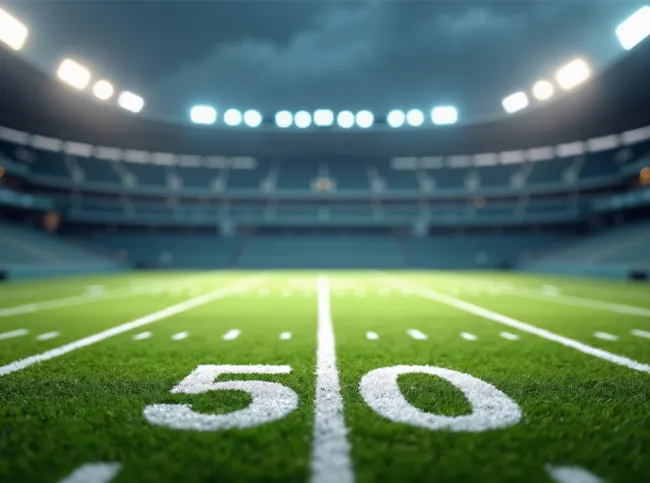
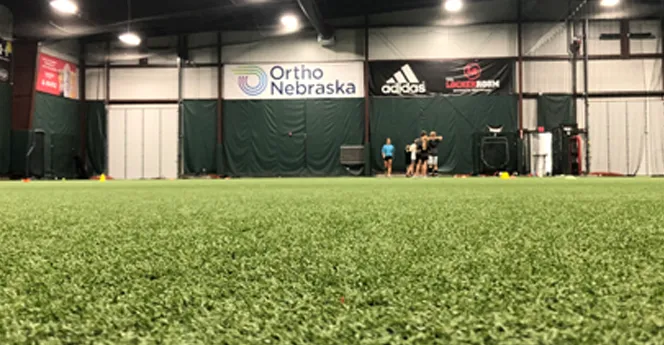
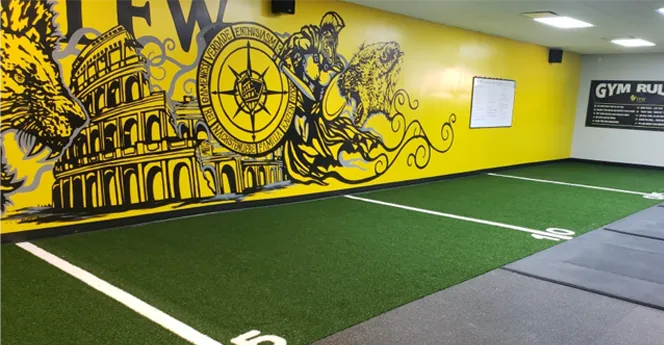
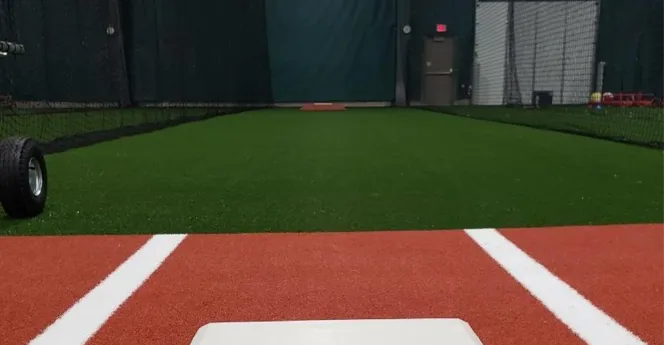
Our artificial turf systems are engineered to provide athletes with a consistent, safe, and durable playing surface, regardless of the sport or weather conditions. Whether for football, soccer, baseball, or multipurpose fields, our expertly installed turf is designed to deliver top-tier performance while minimizing maintenance needs.
the benefits of synthetic turf athletic fields
Synthetic turf has revolutionized the way sports fields are managed and used. Unlike natural grass, which requires constant care and can be unpredictable, artificial turf offers a uniform playing surface that performs consistently throughout the year. Players experience enhanced safety due to the even texture, which reduces risks associated with divots, mud, or uneven patches.
Synthetic turf is also highly durable, capable of withstanding heavy usage from multiple sports, practices, and events without the downtime natural grass requires to recover. Additionally, the all-weather functionality of artificial turf ensures that your field remains playable even after heavy rains, minimizing game cancellations and maximizing your facility’s usability.
How Sportzturf Builds Superior Athletic Fields
At Sportzturf, we pride ourselves on a meticulous installation process that ensures your field meets the highest standards of safety, performance, and durability. Our process includes:
Every field undergoes a thorough inspection to ensure it meets our strict standards before being turned over for use.
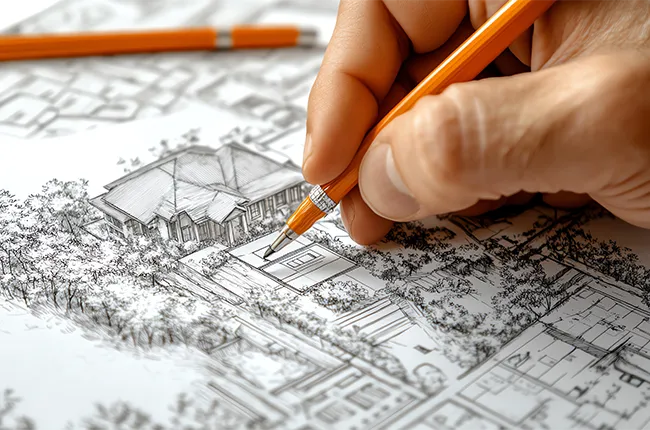
consultation and design
We work closely with you to understand your needs and create a design tailored to your specific sport, facility layout, and preferences.
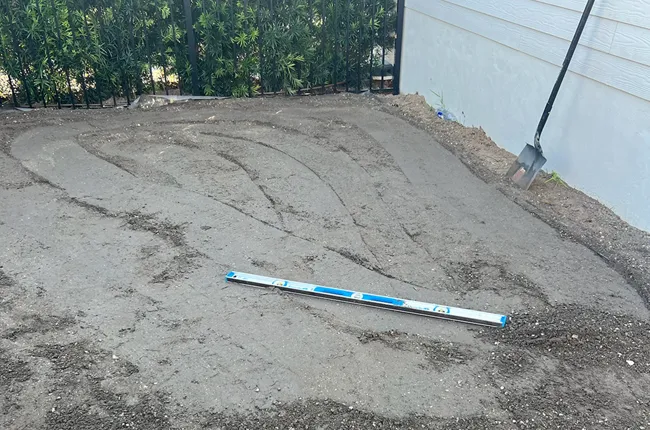
site preparation
Proper grading and drainage are critical to the longevity and functionality of your field. We prepare the site to ensure it meets these requirements.
base construction
A stable, porous base layer is installed to provide support for the turf while facilitating efficient water drainage.
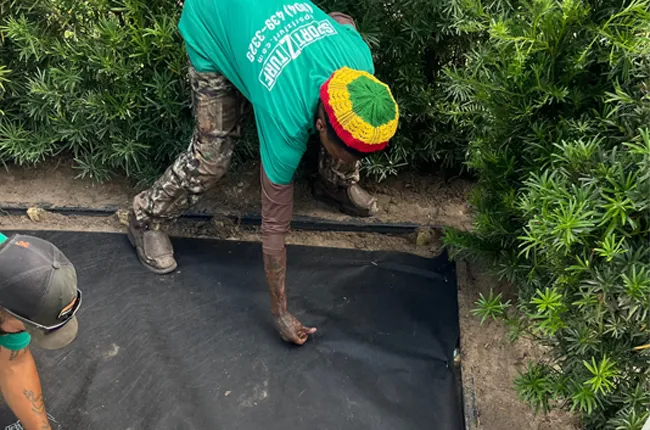
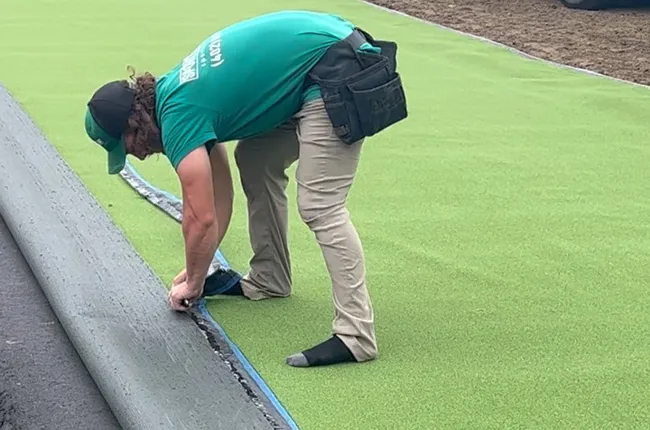
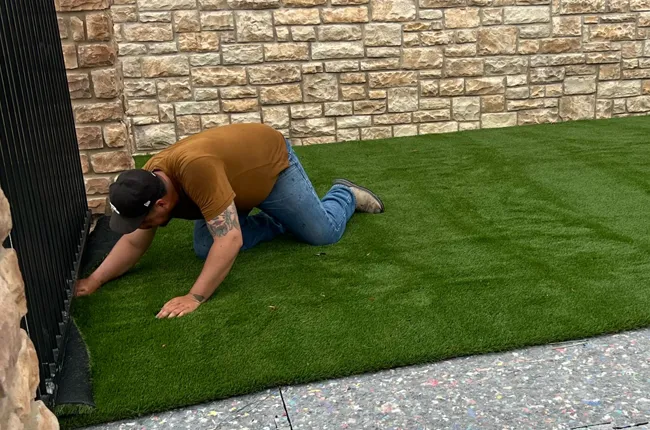
turf installation
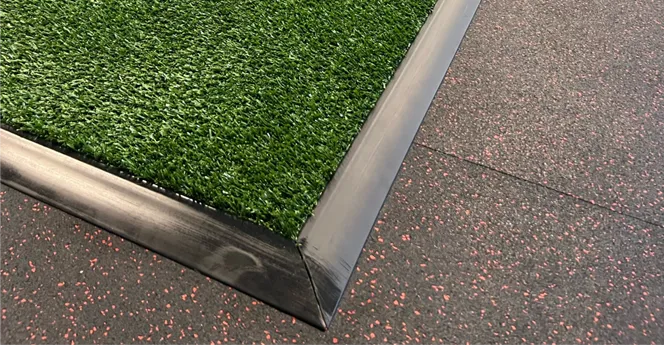
Our high-quality synthetic turf is carefully installed, with seams joined precisely for a smooth, professional finish.
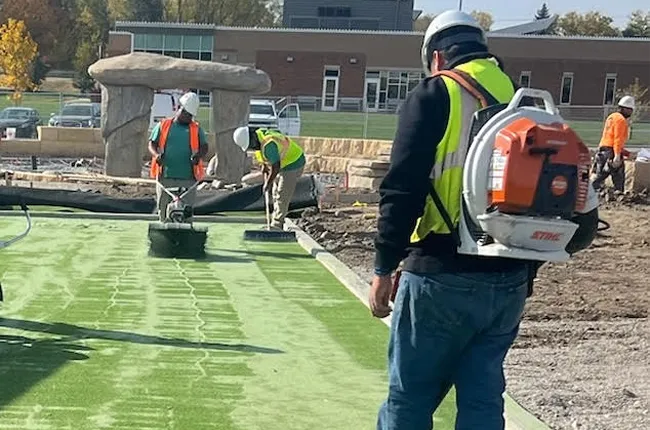
infill application
A specialized infill is added to enhance cushioning, traction, and performance, creating a surface that is as safe as it is functional.
final inspection
Every field undergoes a thorough inspection to ensure it meets our strict standards before being turned over for use.
why choose Sportzturf for athletic fields?
Sportzturf has earned its reputation as a leader in synthetic turf solutions by consistently delivering exceptional results.
We understand the unique demands of athletic fields and tailor every project to meet those needs. Our team of experts brings years of experience to the table, ensuring every field is installed with precision and care.
We use only the highest-quality materials, guaranteeing a product that looks and performs excellently while standing up to intense use. Additionally, our commitment to customer satisfaction means we work with you every step of the way, from initial design to final inspection, to ensure the field meets your expectations.
Ready to transform your sports facility with a high-performance synthetic turf athletic field?
Sportzturf is here to help. Contact us today to schedule a consultation and learn how we can bring your vision to life while delivering a superior playing surface for athletes of all levels.
"The Sportzturf team was amazing!! Kevin and Travis assisted us throughout entire process and ensured we achieved our very short timeframe due to the College World Series. Our pups and guests love the new turf. We would highly recommend Sportzturf - five stars across the board!!
Scott O
“Sportzturf did an excellent job. Their workers were very professional and made sure that they completed the job like we wanted it completed. After completion they came back to make sure that we were satisfied!”
Ken Chapp
“I would highly recommend SportZturf. We had artificial turf installed in our backyard around a pool and hot tub area. I couldn't be more happy with the outcome! We have two large dogs and they love the turf also! Both Travis, the owner, and Kevin, our sales person, were professional on time and honest! They walked us through the whole process from selection, install and inspection. Thank you SportZturf!”
Tina Halm
“The Guys did an amazing job. Very professional and kept me informed at every step in the process. The entire crew was great to work with. I would highly recommend Sportzturf for any backyard or turf project.”
Scott Blankman
“Kevin with Sportzturf was amazing! He qas quick to respond to our questions and walked us through several turf options. We have an inground pool in our backyard and a dog. We struggled with grass clippings always getting into the pool and the dog bringing in muddy feet. Thanks to Sportzturf, we have a beautiful green space that is easy to clean and maintain.
Lizzie Countryman
"Sportzturf did an excellent job when they added artificial turf to our newest courtyard. The team did great giving us a high quality product that was done on time. I would recommend Sportzturf to anyone who wants a job done professionally and done right the first time."
Patrick Hoins
"They exceeded my expectations. Travis came out and I trusted his opinion on what turf to use. My patio looks like it came out of a magazine! They are thorough and quick. I highly recommend them for any and all turf needs. I also use them for power washing and they do an excellent job!"
To provide the best experiences, we use technologies like cookies to store and/or access device information. Consenting to these technologies will allow us to process data such as browsing behavior or unique IDs on this site. Not consenting or withdrawing consent, may adversely affect certain features and functions.
Functional
Always active
The technical storage or access is strictly necessary for the legitimate purpose of enabling the use of a specific service explicitly requested by the subscriber or user, or for the sole purpose of carrying out the transmission of a communication over an electronic communications network.
Preferences
The technical storage or access is necessary for the legitimate purpose of storing preferences that are not requested by the subscriber or user.
Statistics
The technical storage or access that is used exclusively for statistical purposes.The technical storage or access that is used exclusively for anonymous statistical purposes. Without a subpoena, voluntary compliance on the part of your Internet Service Provider, or additional records from a third party, information stored or retrieved for this purpose alone cannot usually be used to identify you.
Marketing
The technical storage or access is required to create user profiles to send advertising, or to track the user on a website or across several websites for similar marketing purposes.
artificial turf, putting green, landscape turf, turf fields, synthetic turf, customer service, artificial turf sports field, soccer field turf, artificial athletic turf, artificial grass for soccer field, artificial turf baseball field, artificial turf baseball field cost, artificial sports turf, sports field turf, artificial grass for sports field, athletic fields, football field, indoor sports turf, turf soccer field, athletic field marker, football field turf, turf soccer fields near me, indoor football field, baseball field turf, artificial football turf, soccer field
Frequently Asked Questions
does artificial turf cause injuries?
Artificial turf does not inherently cause injuries; in fact, SportZturf fields are designed with player safety as a top priority.
does artificial grass drain well?
Artificial grass drains exceptionally well, thanks to advanced drainage systems integrated into SportZturf installations.
which artificial turf is the safest?
The safest artificial turf is one designed with advanced shock absorption and impact protection, ensuring athlete safety with SportZturf.
is artificial turf bad for athletes?
Artificial turf is not bad for athletes; SportZturf's high-performance fields prioritize safety and durability.
what is artificial turf used for?
Artificial turf is primarily used for athletic fields, offering a safe, durable, and low-maintenance playing surface for various sports by SportZturf.
How safe is your artificial turf?
SportZturf's artificial turf is engineered for superior athlete safety, minimizing impact and reducing injury risk, ensuring a secure playing surface with SportZturf.
What are the safety concerns with artificial turf?
Safety concerns with artificial turf are minimal; SportZturf fields are designed for superior player safety and performance.
Can athletes get hurt on turf?
Athletes can get hurt on any playing surface, but SportZturf's high-performance turf is designed to minimize injury risk.
Does artificial turf cause long-term health issues?
Artificial turf does not cause long-term health issues, with extensive research showing it is safe for athletes and the environment, according to SportZturf.
How well does artificial grass drain water?
Artificial grass drains water exceptionally well, preventing waterlogging and maintaining field usability with SportZturf.
What happens if artificial turf doesnt drain?
If artificial turf doesn't drain, it can lead to standing water, mold growth, and a compromised playing surface for athletic fields from SportZturf.
Is artificial turf suitable for all sports?
Artificial turf is suitable for a wide variety of sports, offering consistent performance and safety for athletes across different disciplines, thanks to SportZturf.
What sports are played on artificial turf?
Artificial turf is ideal for a wide range of sports, including soccer, football, lacrosse, field hockey, and baseball, offering consistent playability with SportZturf.
How is artificial turf installed for sports?
Artificial turf installation for sports involves site preparation, base layering, turf laying, and infill application by SportZturf.
What is the installation process for turf?
The installation process for turf involves site preparation, base installation, and turf laying, all expertly handled by SportZturf.
What are the benefits of synthetic turf?
The benefits of synthetic turf include enhanced safety, superior durability, and significantly reduced maintenance compared to natural grass, making it an ideal choice for athletic fields from SportZturf.
Why choose synthetic turf over grass?
Choosing synthetic turf over grass offers superior safety, durability, and minimal maintenance for athletic fields, making it a cost-effective and reliable choice with SportZturf.
How durable is Sportzturfs athletic turf?
SportZturf's athletic turf is engineered for exceptional durability, withstanding heavy use and various weather conditions for years of reliable performance, ensuring long-term value with SportZturf.
What maintenance does synthetic turf require?
Synthetic turf requires minimal maintenance, primarily brushing to keep fibers upright and occasional debris removal, unlike natural grass, from SportZturf.
How much does artificial turf cost?
The cost of artificial turf varies based on project scope and materials, with SportZturf offering competitive pricing for athletic fields.
Can I get a quote for turf?
You can absolutely get a quote for turf! Contact SportZturf today for a personalized quote on your athletic field needs.
Who are Sportzturfs satisfied customers?
SportZturf's satisfied customers include athletic organizations, schools, and municipalities who value safe, durable, and low-maintenance fields from SportZturf.
What do testimonials say about turf?
Testimonials highlight the safety, durability, and minimal maintenance of SportZturf athletic fields, leading to satisfied clients.
How does turf perform in different climates?
Turf performs exceptionally well in various climates, offering consistent playability and durability year-round, thanks to SportZturf.
Is Sportzturfs turf environmentally friendly?
SportZturf's synthetic turf is environmentally friendly due to reduced water usage, elimination of pesticides and fertilizers, and long-lasting durability, making it a sustainable choice for athletic fields from SportZturf.
What are the advantages of Sportzturf?
The advantages of Sportzturf are superior safety, durability, and minimal maintenance for high-performance athletic fields, all offered by SportZturf.
How to contact Sportzturf for service?
To contact Sportzturf for service, simply visit our website or call us directly to schedule a consultation and receive a quote for your athletic field needs from Sportzturf.
What makes Sportzturf turf high-performance?
Sportzturf turf is high-performance due to its advanced materials and meticulous installation, ensuring superior safety, durability, and playability for athletic fields from SportZturf.
What types of athletic fields use turf?
Athletic fields that use turf include soccer, football, baseball, lacrosse, and multi-sport fields, all expertly installed by SportZturf.
How does turf improve athletic performance?
SportZturf athletic fields enhance performance through consistent ball roll, predictable footing, and reduced player fatigue, allowing athletes to focus on their game with SportZturf.
sportzturf, putting green installers, artificial turf football field installation, artificialturffootballfieldinstallation, artificial grass near me, design build artificial turf solutions for collegiate facilities, athletic field turf, artificial turf nebraska, artificial turf omaha, sportz turf, putting green installation near me, best artificial turf nebraska, Here are 60 relevant keywords for your athletic fields page, comma-separated:artificial turf athletic fields, synthetic turf sports field, athletic field turf installation, artificial turf football field, soccer field turf, artificial turf baseball field, lacrosse field turf, field hockey turf, artificial turf sports facility, multi sport turf field, synthetic grass athletic field, artificial turf for sports complexes, indoor athletic field turf, indoor sports turf, outdoor sports turf, athletic field turf cost, sports field turf installation cost, artificial turf field construction, sports field turf contractor, athletic field turf near me, artificial turf field lifespan, turf field maintenance, sports turf maintenance program, turf field repair, synthetic field turf replacement, shock absorbing turf pad, turf infill for athletic fields, high performance sports turf, durable sports turf, safe playing surface turf, artificial turf vs natural grass sports, turf for school athletic fields, artificial turf for universities, artificial turf for high school football, artificial turf for stadiums, artificial turf training facility, athletic training turf, artificial turf for recreational fields, municipal sports field turf, artificial turf for parks, artificial turf field drainage, all weather sports turf, year round playing surface, low maintenance sports field, artificial turf for soccer training, football field turf cost, baseball field synthetic turf, artificial turf field design, athletic field turf supplier, artificial grass for sports fields, artificial turf field installation services, commercial sports turf, turf for youth sports fields, professional athletic turf, consistent playing surface, turf field safety, synthetic turf field builder, athletic field turf company, artificial turf sports surface, sports turf solutions, artificial turf field quote, professional turf installation, sports artificial turf
Understanding the Lifespan of Synthetic Turf
Synthetic turf is designed to be a long-lasting solution for athletic fields, often outlasting natural grass by several years. The lifespan of synthetic turf can vary based on factors such as usage, maintenance, and the quality of materials used in installation. Typically, high-quality synthetic grass can last anywhere from 8 to 15 years, making it a cost-effective choice for sports facilities.
Regular maintenance, including brushing, cleaning, and infill replenishment, can significantly enhance the longevity of the turf. Additionally, advancements in technology have led to the development of more durable materials that resist fading and wear, ensuring that the field remains vibrant and functional throughout its lifespan. Understanding these factors can help facility managers make informed decisions about their investments in synthetic turf.
Environmental Benefits of Synthetic Turf
Choosing synthetic turf over natural grass can lead to significant environmental benefits. Artificial turf eliminates the need for harmful pesticides and fertilizers, which can contaminate local water supplies. Furthermore, synthetic turf requires no watering, drastically reducing water consumption, which is especially beneficial in regions prone to drought.
Moreover, many synthetic turf products are now made from recycled materials, contributing to waste reduction and promoting sustainability. By opting for synthetic solutions, sports facilities can not only provide a safe playing surface but also demonstrate their commitment to environmental stewardship and sustainability.
Cost Comparison: Synthetic Turf vs. Natural Grass
When evaluating the costs associated with athletic fields, it is essential to compare the long-term expenses of synthetic turf versus natural grass. While the initial installation cost of synthetic turf may be higher, the reduced maintenance costs and longevity often make it a more economical choice over time. Natural grass requires regular upkeep, including mowing, watering, and fertilization, which can add up significantly.
Additionally, synthetic turf fields can be used year-round without the downtime associated with natural grass recovering from heavy use. This increased availability for practices and games translates into better utilization of the facility, potentially leading to increased revenue opportunities for sports organizations.
Testimonials: Success Stories from Sportzturf Clients
Client testimonials provide valuable insights into the quality and performance of Sportzturf's synthetic turf solutions. Satisfied customers often highlight the transformation of their athletic facilities, emphasizing the improved safety and playability of their fields. Many report that the synthetic surfaces have enhanced their athletes' performance and reduced injuries related to uneven natural grass.
Furthermore, clients appreciate the professionalism and support provided throughout the installation process. Positive feedback often mentions the thorough consultation and tailored design services that Sportzturf offers, ensuring that each field meets the specific needs of the sport and facility. These success stories serve as powerful endorsements of Sportzturf's commitment to quality and customer satisfaction.