
premium indoor turf solutions
for versatile and durable spaces
Sportzturf brings the functionality and aesthetic appeal of synthetic grass indoors with our premium indoor turf solutions.
Perfect for gyms, indoor sports facilities, play areas, and even offices or homes, our artificial turf is engineered for durability and designed to create a vibrant, low-maintenance surface. Whether you need a safe, cushioned flooring for high-impact activities or an eye-catching feature for your space, SportzTurf’s indoor turf offers the perfect solution.
why choose
indoor turf?
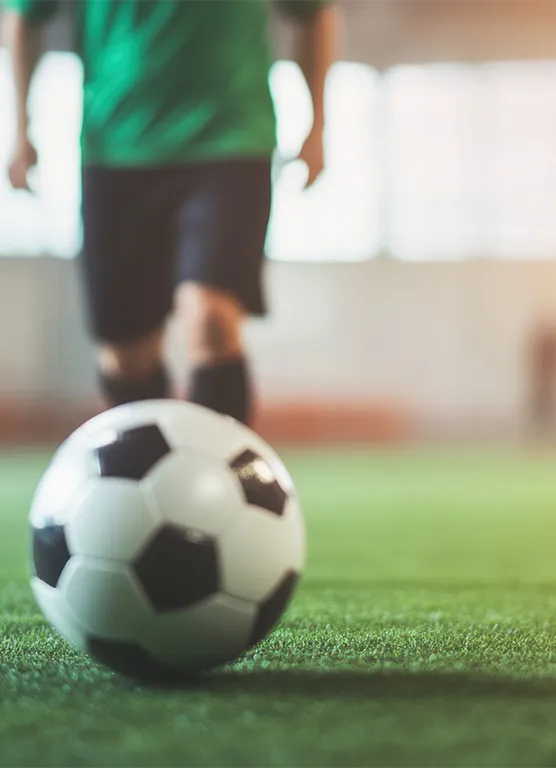
Indoor turf has become a popular choice for a variety of applications, offering both practical and aesthetic benefits. One of the biggest advantages is its versatility. It can be used for fitness centers, sports arenas, children’s play spaces, or commercial facilities looking for a unique and durable flooring option. With its lush, green appearance and soft texture, indoor turf provides the perfect balance between functionality and style.
Another significant benefit is its low-maintenance nature. Unlike natural grass, synthetic turf doesn’t require watering, mowing, or fertilizers. This makes it a cost-effective solution over time, saving both money and effort. It also offers unmatched durability, capable of withstanding heavy foot traffic, exercise equipment, and frequent use without showing signs of wear and tear.
For spaces that prioritize safety, indoor turf provides a soft, cushioned surface, reducing the risk of injury during workouts, sports activities, or playtime. Its shock-absorbent design makes it an excellent choice for high-impact environments, ensuring comfort and protection for all users.
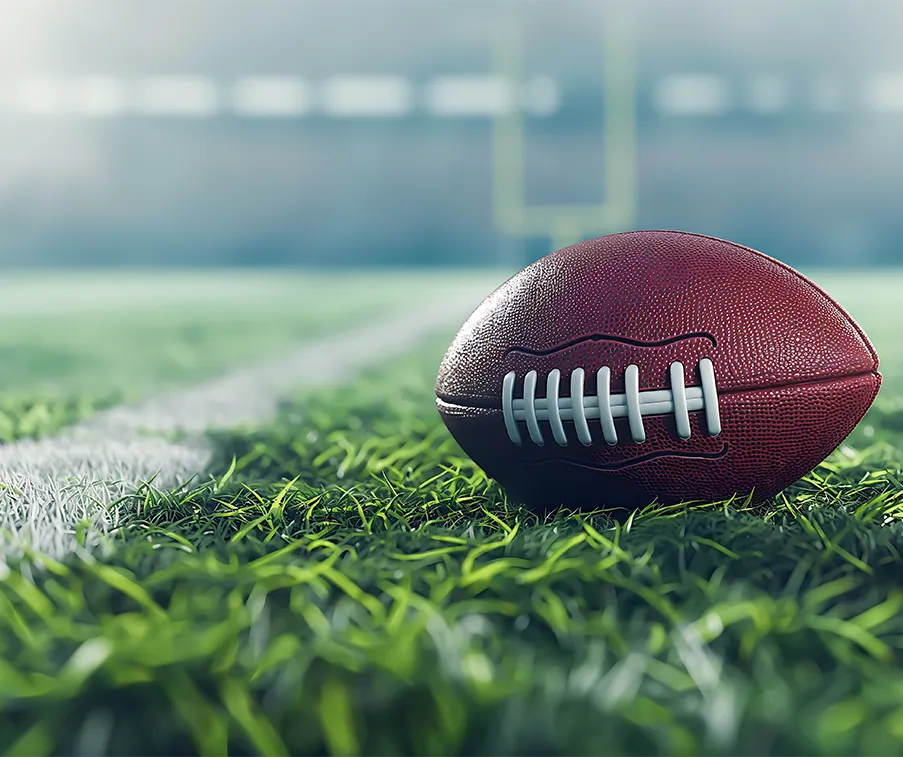
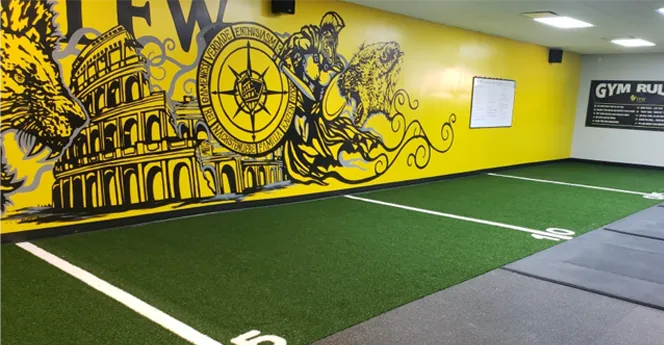
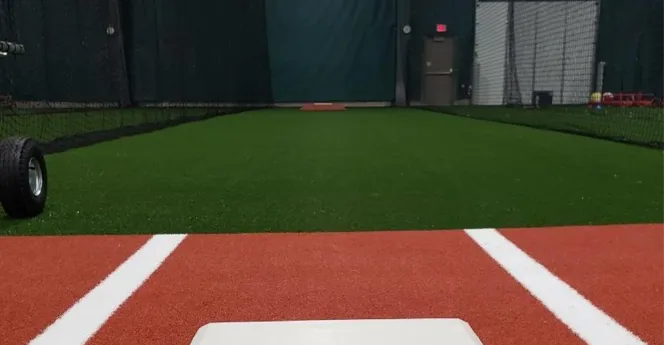
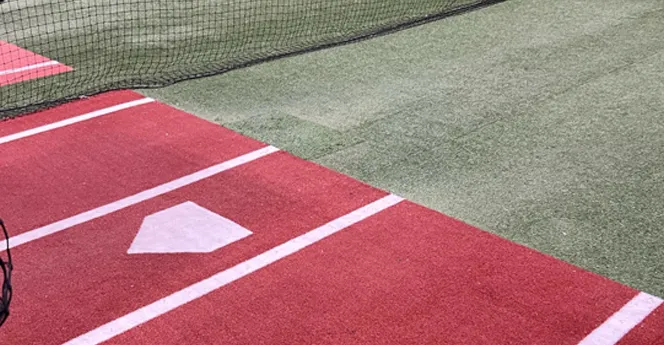
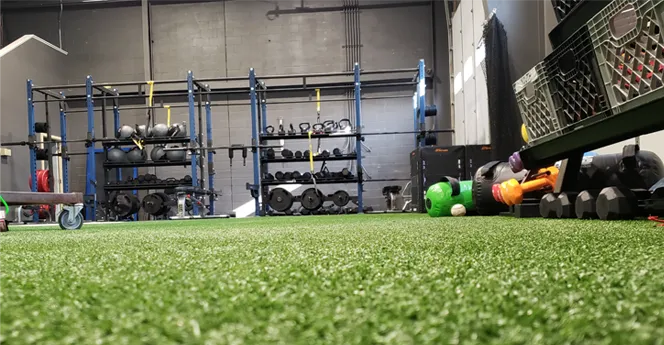
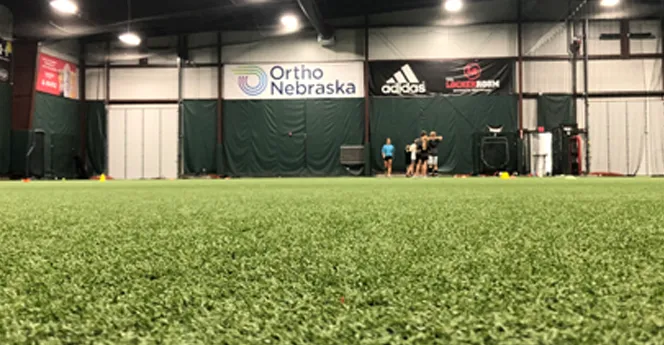
applications of indoor turfSportzturf’s indoor turf is highly adaptable and suitable for a range of uses: gyms and fitness centers: Create a durable, non-slip surface ideal for weightlifting, agility training, or yoga. sports facilities: Perfect for indoor fields, batting cages, and multi-sport areas, offering a consistent surface for athletes. play areas: Soft and safe, it’s a great option for children’s indoor play spaces, ensuring a comfortable surface for crawling, jumping, or running. offices and commercial spaces: Add a touch of greenery and modernity to your indoor areas while maintaining practicality. |
 |
Our Indoor Turf Installation Process
At SportzTurf, we pride ourselves on delivering seamless and high-quality installations tailored to your specific needs.
our process includes:
-
consultation
and designconsultation
and designWe work with you to understand your requirements and create a customized design that suits your space.

-
surface preparation
surface preparation
The area is carefully prepared to ensure a smooth and even foundation for the turf.
-
turf installation
turf installation
We expertly install high-quality synthetic turf, ensuring seams are joined seamlessly for a polished finish
-
infill application
infill application
A specialized infill is added, enhancing durability, cushioning, and overall performance.
-
final inspection
final inspection
Our team conducts a thorough inspection to ensure the highest standards of quality and safety are met.
consultation
and design
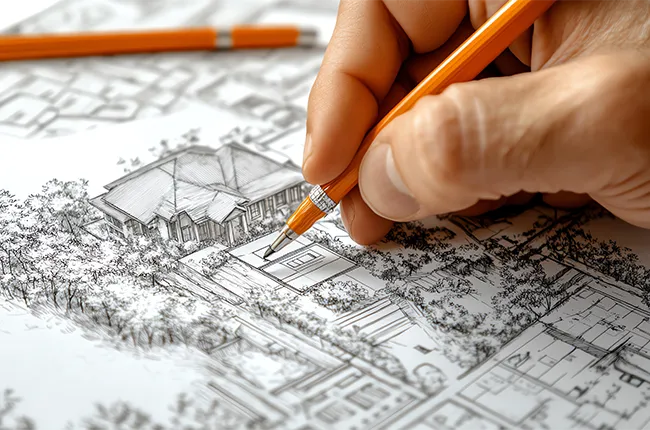
We work with you to understand your requirements and create a customized design that suits your space.
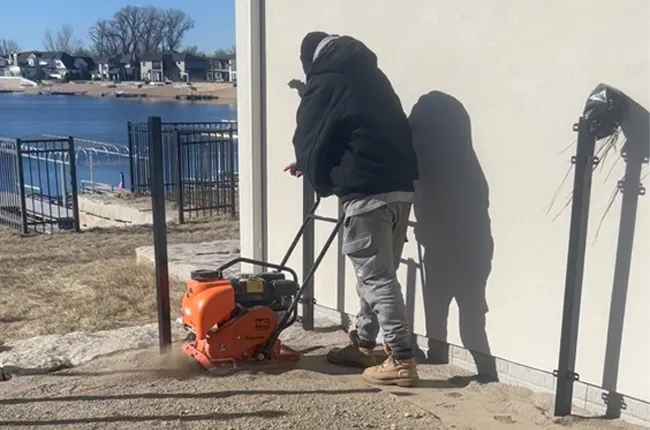
surface preparation
The area is carefully prepared to ensure a smooth and even foundation for the turf.
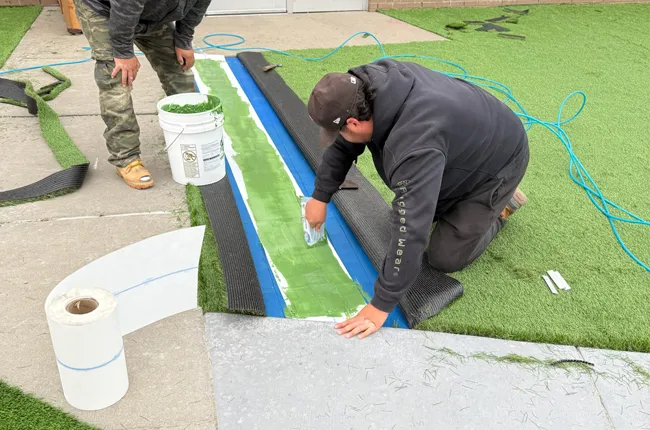
turf installation
We expertly install high-quality synthetic turf, ensuring seams are joined seamlessly for a polished finish
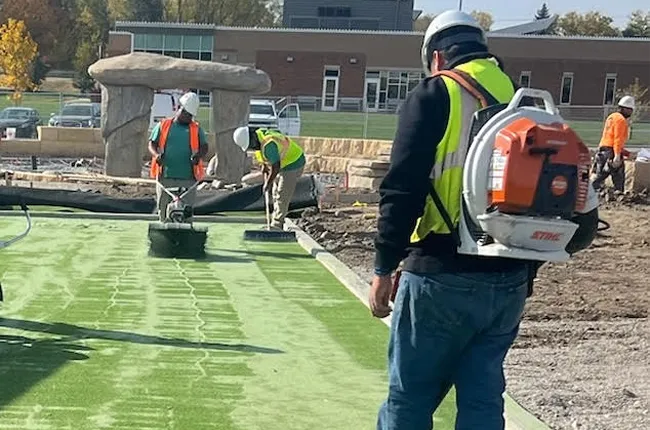
infill application
A specialized infill is added, enhancing durability, cushioning, and overall performance.
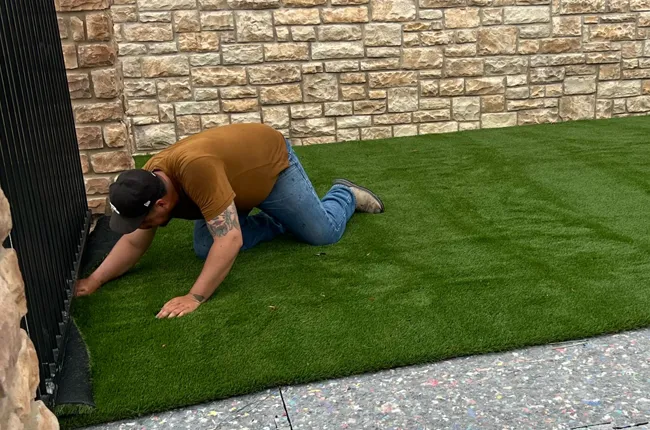
final inspection
Our team conducts a thorough inspection to ensure the highest standards of quality and safety are met.
why work with Sportzturf?
Sportzturf is a trusted name in synthetic turf solutions, known for delivering exceptional results and exceeding customer expectations
Our team of experienced professionals is dedicated to creating indoor turf installations that meet your unique needs and elevate your space. We use only the highest quality materials, ensuring that your turf will look great and perform flawlessly for years to come. With personalized service and a commitment to excellence, Sportzturf is the clear choice for your indoor turf needs.
with the best in synthetic turf?
Sportzturf is here to help. Contact us today to schedule a consultation and learn how our innovative turf solutions can enhance your facility, home, or commercial property.