
backyard putting green
Master Your Backyard Putting Green
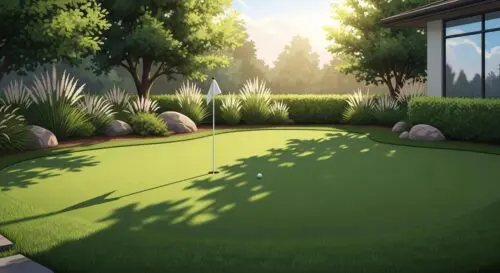
Creating a backyard putting green is an exciting way to enhance your home golf practice experience. This guide will provide you with essential information on selecting the right materials, installation methods, and maintenance practices to ensure your putting green remains in top condition. Many golf enthusiasts struggle with finding the right balance between quality and affordability when it comes to backyard putting greens. By understanding the various options available, you can make informed decisions that will enhance your practice sessions and overall enjoyment of the game. This article will cover the best artificial grass types, installation methods, maintenance practices, budgeting tips, landscaping integration, and golf practice techniques to help you create the perfect backyard putting green.
What Are the Best Artificial Grass Types for Backyard Putting Greens?
When selecting artificial grass for your backyard putting green, it’s crucial to consider the various types available and their specific benefits. Artificial grass, also known as synthetic turf, is designed to mimic the look and feel of natural grass while providing durability and low maintenance. The right choice of turf can significantly impact the performance of your putting green, including factors such as ball roll and overall aesthetics.
How Do Synthetic Turf Materials Affect Durability and Ball Roll?
The materials used in synthetic turf play a vital role in determining its durability and the quality of ball roll. High-quality synthetic turf typically consists of polyethylene or nylon fibers, which offer excellent resilience and a realistic appearance. These materials are designed to withstand heavy foot traffic and environmental conditions, ensuring that your putting green remains functional and visually appealing over time. Additionally, the infill used in the turf can affect ball roll; for instance, sand infill can provide a firmer surface, while rubber infill can enhance cushioning and reduce wear.
Research further supports the critical role of infill materials and maintenance in optimizing synthetic turf performance and ball dynamics.
Synthetic Turf Maintenance & Ball Performance
on the performance of second generation sand-filled synthetic turf sports surfaces was synthetic turf over a stone–tar-macadam–rubber shockpad sub-base. Ball rebound, ball roll,
The effect of maintenance on the performance of sand-filled synthetic turf surfaces, 2010
Which Eco-Friendly Turf Options Are Available for Sustainable Putting Greens?
For environmentally conscious homeowners, there are several eco-friendly turf options available. These sustainable alternatives are made from recycled materials and are designed to minimize water usage and chemical treatments. Some popular eco-friendly turf options include products made from recycled plastics or natural fibers, which not only reduce environmental impact but also provide a safe playing surface for families and pets. Choosing eco-friendly turf can enhance your backyard’s sustainability while still delivering a high-quality putting experience.
Studies highlight the environmental benefits of sustainable artificial turf, particularly those incorporating recycled materials.
Sustainable Artificial Turf: Recycled SBR Materials
This study was therefore created to show if artificial turf fields : an artificial turf field with recycled SBR, an artificial turf field with Since the SBR is considered as recyclable material from
Sustainability of Artificial Turf Fields: Comparative life cycle assessment of artificial and natural turf fields, 2021
How to Install a Backyard Putting Green: DIY vs Professional Methods
Installing a backyard putting green can be a rewarding project, whether you choose to tackle it yourself or hire professionals. Understanding the installation process and the pros and cons of each method will help you make the best decision for your needs.
What Are the Step-by-Step Installation Processes for Synthetic Turf?
- Site Preparation: Clear the area of any debris, rocks, or existing grass. Level the ground to create a smooth surface for the turf.
- Base Layer Installation: Lay down a base layer of crushed stone or gravel to promote drainage and provide stability.
- Turf Layout: Roll out the synthetic turf and cut it to fit the desired shape of your putting green.
- Securing the Turf: Use adhesive or stakes to secure the turf in place, ensuring there are no wrinkles or gaps.
- Infill Application: Apply infill material, such as sand or rubber, to enhance the turf’s performance and longevity.
When Should You Hire Professional Installation Services?
While many homeowners may opt for a DIY approach, there are situations where hiring professional installation services is advisable. If you lack the time, tools, or experience to complete the installation effectively, professionals can ensure a high-quality result. Additionally, complex designs or larger areas may require specialized equipment and expertise that only professionals can provide. Investing in professional installation can save you time and ensure that your putting green is built to last.
How to Maintain Your Synthetic Turf Putting Green | SportZturf
Maintaining your synthetic turf putting green is essential for ensuring its longevity and performance. Regular maintenance practices can help keep your turf looking fresh and functional, allowing you to enjoy your backyard golf practice for years to come.
How Often Should You Maintain and Clean Your Artificial Grass?
Cleaning your artificial grass should be a regular part of your maintenance routine. It’s recommended to perform light cleaning weekly, which includes removing debris, leaves, and dirt. A thorough cleaning should be done every few months, using a hose to rinse the turf and a broom or rake to fluff the fibers. This will help maintain the appearance and performance of your putting green.
Effective maintenance programs are crucial for ensuring the long-term play performance and quality of artificial turf surfaces.
Artificial Turf Maintenance Programs & Techniques
Quality assurance systems for elite and community level demand effective maintenance programmes to ensure adequate play performance. Practical experience is relied upon to plan for and deliver a range of maintenance techniques to sweep, clean, decompact, replace and repair artificial turf carpets and infills. This paper aims to present an overview of the data and outcomes of detailed studies into power-sweeping, decompaction, and decontamination.
Maintenance of Artificial Turf–Putting Research into Practice, P FLEMING, 2016
What Are the Best Practices to Extend Turf Longevity and Performance?
To extend the longevity and performance of your synthetic turf, consider the following best practices:
- Regular Brushing: Use a stiff-bristled broom to brush the turf fibers regularly, which helps maintain their upright position and prevents matting.
- Infill Maintenance: Check the infill levels periodically and replenish as needed to ensure optimal performance and cushioning.
- Avoid Heavy Equipment: Refrain from using heavy equipment on the turf, as this can cause damage and affect the surface’s integrity.
How Much Does a Backyard Putting Green Cost and How to Budget?
Understanding the costs associated with installing a backyard putting green is crucial for effective budgeting. The total cost can vary significantly based on factors such as size, materials, and installation methods.
What Factors Influence the Total Cost of Installation and Materials?
These factors can add up, so it’s essential to plan your budget accordingly.
Are There Cost-Effective Options for Mini Golf Backyards and Putting Mats?
For those looking for more budget-friendly options, mini golf backyards and putting mats can provide an excellent alternative to full synthetic turf installations. Putting mats are portable and can be set up in various locations, making them a versatile choice for practice. Prices for quality putting mats typically range from $100 to $500, depending on size and features. These options allow you to enjoy golf practice without the commitment of a permanent installation.
How to Maintain Your Synthetic Turf Putting Green | SportZturf
Integrating your backyard putting green with landscaping can enhance the overall aesthetic of your outdoor space. Thoughtful design choices can create a cohesive look that complements your home and garden.
What Landscaping Designs Complement Synthetic Turf Putting Greens?
When designing your backyard, consider incorporating landscaping elements that complement your synthetic turf putting green. Options include:
- Flower Beds: Surround your putting green with colorful flower beds to create a vibrant contrast against the green turf.
- Pathways: Use decorative stones or pavers to create pathways leading to your putting green, enhancing accessibility and visual appeal.
- Seating Areas: Add benches or seating areas nearby for relaxation and enjoyment after practice sessions.
How Can Drainage and Turf Infill Improve Putting Green Performance?
Proper drainage and infill are critical components of a successful putting green. Effective drainage systems prevent water accumulation, ensuring that your turf remains dry and playable. Additionally, the right infill material can enhance the performance of your putting green by providing stability and cushioning. For example, a combination of sand and rubber infill can improve ball roll while also protecting the turf fibers from wear.
How to Maintain Your Synthetic Turf Putting Green | SportZturf
To maximize the benefits of your backyard putting green, incorporating effective golf practice techniques and equipment is essential. These strategies can help you improve your skills and enjoy your practice sessions even more.
Which Golf Training Aids Work Best with Synthetic Putting Surfaces?
Several golf training aids can enhance your practice on synthetic putting greens. Some popular options include:
- Putting Mirrors: These tools help you check your alignment and stroke mechanics, ensuring you develop proper techniques.
- Alignment Sticks: Use alignment sticks to set up your stance and target line, promoting consistency in your putting.
- Putting Mats with Markings: These mats often feature target lines and distance markers, allowing you to practice various putts effectively.
How to Use Putting Mats and Mini Golf Setups for Skill Improvement?
Putting mats and mini golf setups can be excellent tools for skill improvement. To make the most of these resources, consider the following tips:
- Set Goals: Establish specific practice goals, such as sinking a certain number of putts in a row or improving your distance control.
- Vary Your Practice: Incorporate different drills and challenges to keep your practice sessions engaging and effective.
- Track Progress: Keep a record of your practice sessions to monitor improvements and identify areas for further development.